“The stairs are getting so hard to climb.”
“Since my wife died, I just open a can of soup for dinner.”
“I’ve lived here 40 years. No other place will seem like home.”
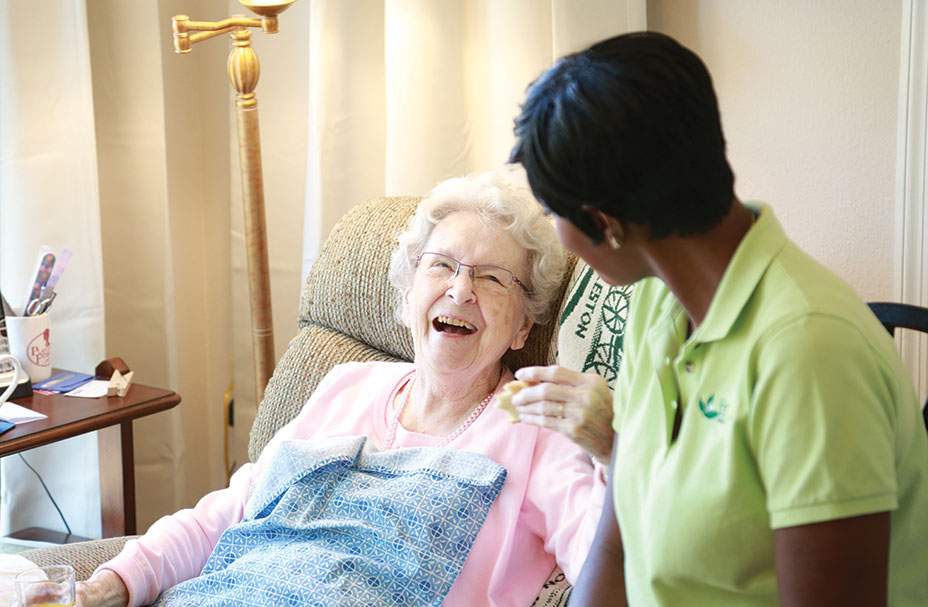
These are common issues for older people. And your aging loved one might share the often-heard wish, “I want to stay in my own home!” The good news is that with the right help, they can do just that.
 What do you do first?
Planning ahead is hard because you never know how your loved one’s needs might change. But, the first step is to think about the kinds of help they might want in the near future. Maybe they live alone, so there is no one living there who is available to help them. Maybe they don’t both need help right now, but only one of them does.
Everyone has a different situation, but one way to begin planning is to look at any illnesses like diabetes or emphysema that one of your loved ones might have. Talk to their doctor about how these health problems could make it hard for someone to get around or take care of them in the future. Help getting dressed in the morning, fixing a meal, or remembering to take medicine may be all they need right now to stay in their own home.
What kinds of help can you get?
You can get almost any type of help you want for your aging loved ones in their home. The following list includes some common things people need:
 Personal care. Is bathing, washing their hair, or dressing getting harder for your aging loved ones to do? Maybe a relative or friend could help. You can also hire a trained caregiver from FirstLight Home Care — South Sound for a short time each day.
- Homemaking. Do your loved ones need help with chores like housecleaning, yard work, grocery shopping, or laundry? These are all services that can be performed by FirstLight’s certified caregivers.
- Meals. Worried that your loved ones might not be eating nutritious meals or are tired of eating alone? Sometimes they could share cooking with a friend or have a potluck dinner with a group of friends. Also, meal delivery programs can bring hot meals into their home. FirstLight caregivers can also prepare meals that ensure your loved ones are eating properly, including following any dietary restrictions.
- Money management. Do you worry about your aging parents’ bills getting paid late or not at all? Are health insurance claim forms confusing to them? Maybe you can get them help with these tasks. Ask a trusted relative to lend a hand. Volunteers, financial counselors, or geriatric care managers can also help. Just make sure you get the referral from a trustworthy source, like your local Area Agency on Aging. You can also have their regular bills, like utilities and rent or mortgage, paid automatically from their checking account.Help them be careful to avoid money scams. Make sure they never give our their Social Security numbers, credit card account numbers, or bank account numbers to someone on the phone or in response to an email.Even though they might not need it now, help them think about giving someone they trust permission to discuss bills with creditors or Social Security or Medicare benefits with those agencies. Or, they could give overall permission to handle a variety of legal matters in the form of a durable power of attorney. “Durable” means the permission remains in effect if they cannot make decisions, but they can also change the power of attorney or cancel it at any time.
- Health care. Do your aging loved ones forget to take their medicine? FirstLight offers devices that remind them when it is time for their next dose. These special pill boxes allow you or someone else to set out their pills for an entire month.Has a loved one just gotten out of the hospital and still needs nursing care at home for a short time? The hospital discharge planner can help you make arrangements, including a FirstLight caregiver to come to their home. If they can’t remember what the doctor told them to do, the FirstLight caregiver can go to the doctor visits with them. They will write down everything your loved one is supposed to do.
Where can you look for help?
Here are some resources to start with:
- People you or they know. Family, friends, and neighbors are the biggest source of help for many older people. Talk with those close to you and them about the best way to get what they need. Often, services can be traded with a friend or neighbor. One could do the grocery shopping, and the other could cook dinner, for example.
- Community and local government resources. Learn about the services found in your community. Healthcare providers and social workers may have suggestions. The local Area Agency on Aging, local and State offices on aging or social services, and your tribal organization may have lists of services of services. If you belong to a religious group, talk to the clergy, or check with its local offices about any senior services they offer.
- Geriatric care managers. These specially trained professionals can help find resources. They will work with you to form a long-term care plan and find the services your loved ones need. They will charge for this help, and their fees probably won’t be covered by any insurance plan. Geriatric care managers can be very helpful when you live far apart from your aging loved ones. If asked, they will check in with your parents from time to time to make sure their needs haven’t changed.
 FirstLight Home Care. The professional caregivers from FirstLight are licensed and trained to assist with personal care, as well as running errands, cooking healthy meals, housekeeping, transportation to activities, providing medication reminders, and more — customized to whatever your aging loved one needs to live at home with dignity and respect.Our goal at FirstLight Home Care — South Sound is the same as yours — to help your loved ones enjoy the best quality of life, on their terms, in the comfort of their own home and for as long as possible.
Source: National Institute on Aging

