
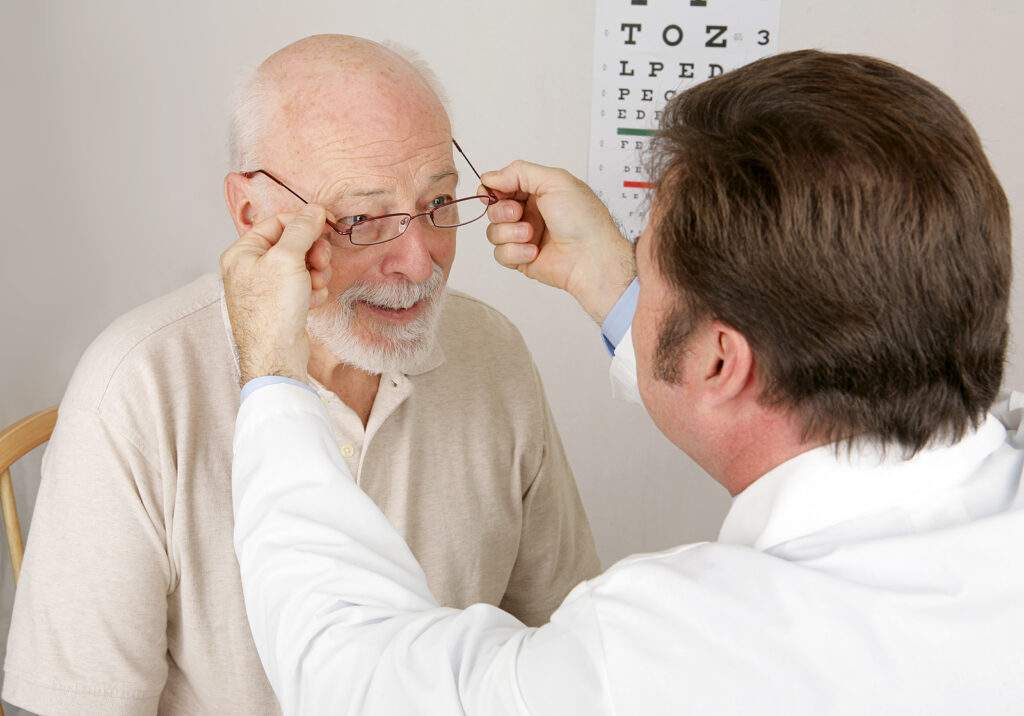
June is National Cataracts Awareness Month and now is the time for your senior parent to get screened for cataracts if they haven’t been to the eye doctor recently. Cataracts are very common in seniors, and nearly half of all seniors who are 80 or older develop cataracts. Cataracts can interfere with your senior parent’s vision and make it difficult for them to continue to live independently.
If your senior parent does start to have a hard time living safely on their own, senior home care can help. Senior home care provides the extra support that seniors need to continue living safely and comfortably in their own homes. For many seniors cataracts can be treated if they are caught early. That’s why it’s so important for seniors, especially seniors who have a high risk for cataracts, to get regular screenings. If your senior parent has any of these symptoms of cataracts schedule an eye doctor appointment for them right away:
- Blurry or Cloudy Vision
One of the first signs of cataracts is blurry or cloudy vision. It can feel like you’re looking through a foggy window. Things that used to look sharp—like faces, signs, or words in a book—start to look fuzzy. Glasses might not help as much as they used to. Over time, the blurriness can get worse, making it harder to do daily tasks like reading, cooking, or watching TV. - Trouble Seeing at Night
Cataracts can make it harder to see in low light. Seniors with cataracts often say they struggle to see at night or in dimly lit rooms. Driving at night becomes especially difficult. Headlights from other cars may seem extra bright or cause glare, which can be dangerous. Even walking around the house in the evening without strong lighting can become risky. - Sensitivity to Light and Glare
Bright lights may suddenly become too harsh. Someone with cataracts might squint or feel pain when exposed to sunlight, lamps, or headlights. Glare from shiny surfaces—like water or mirrors—can also bother them more than before. This sensitivity can make it uncomfortable to be outside during the day or sit under strong indoor lighting. - Colors Look Faded or Yellowed
As cataracts grow, they can change how colors appear. Bright colors may start to look dull or faded. Whites may take on a yellow or brown tint. This can affect how someone sees their clothes, food, or even people’s faces. Over time, it becomes harder to tell certain colors apart. Seniors may notice they stop enjoying things like painting, gardening, or watching colorful TV shows because the colors just don’t look right. - Double Vision in One Eye
Cataracts can sometimes cause double vision, but only in one eye. This means seeing two of the same thing at once, like two street signs or two spoons. It’s not the same as regular double vision caused by eye muscle problems. In this case, it happens because the lens of the eye is cloudy. The double vision might come and go, but it’s a clear sign that something is wrong and should be checked by an eye doctor.
If you or an aging loved one are considering senior home care in Aurora, CO please contact the caring staff at FirstLight Home Care of Central Denver today at (303) 953-9575. FirstLight Home Care of Central Denver provides exceptional home care for seniors in Denver, Littleton, Westminster, Wheat Ridge, Arvada, Lakewood, Golden, Centennial, Greenwood Village, Aurora and surrounding areas.