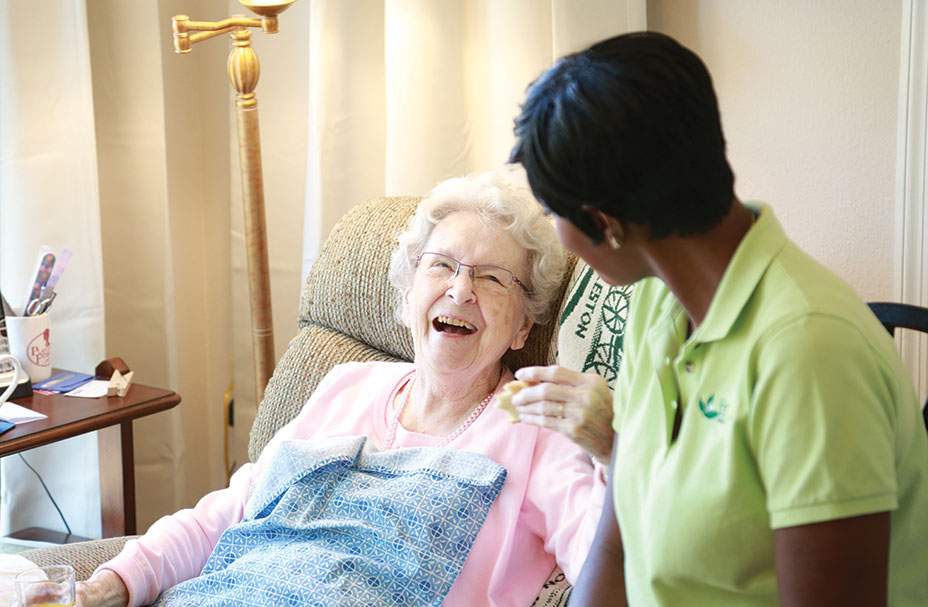
Paying attention to changes in health becomes more important as people get older. But many seniors aging in place may not pay attention to symptoms because they think they are just natural indicators of aging, or they may not want to bother their doctors with their concerns. This is where companion care at home comes into play. With consistent caregivers in the home, seniors have support when it comes to understanding when their symptoms might require medical attention, as well as the encouragement they need to confidently talk with their medical team.
The Challenge with Self-Assessment
Seniors often have trouble telling the difference between small problems and indicators of something more serious. For instance, a cough that won’t go away could just be a cold, or being more tired than usual could be because they didn’t sleep well. Add to that the fact that
many seniors may live alone, and it’s easy to miss important warning signs when there is not someone else there day to day. Not only that but many seniors may downplay their symptoms because they don’t want to be viewed as whiners or because they are afraid of what they might find. Adding companion care at home to their support team changes everything. With a consistent caregiver in the home, seniors are regularly monitored, which makes it easy to spot the symptoms they might be having.
Symptom Education Is Key
Another benefit to companion care at home is the education they’re able to offer seniors. For instance, they help seniors understand what varied symptoms can mean and why they should talk to their doctors about particular developments. A caregiver can explain why dizziness, unexplained weight loss, or changes in appetite are signs they need to see a doctor instead of just ignoring them.
This education gives seniors the tools they need to take an active role in their own health care. Additionally, caregivers help them see patterns, like when pain happens or what activities make specific symptoms worse. Plus, caregivers are able to document what is happening and give that information to the medical team, which is really helpful since it
helps them make more accurate diagnoses and come up with better treatment strategies.
Encouraging Seniors to Speak Up
As mentioned, many seniors might not say anything to anyone about their symptoms or concerns because they are worried they will be seen as a bother or they’re concerned about what the outcome might be. Companion care at home offers gentle encouragement to seniors, listens to their concerns, and even helps them role-play conversations to help them feel more comfortable in these situations. Caregivers can also help with the practical aspects. They help seniors make lists of symptoms to talk about and questions to ask, as well as keep track of when they happen. Additionally, many caregivers offer transportation to and from the appointments, as well as attend with the senior to give them moral support and make sure all of their issues are heard.
Companion care at home offers much more than assistance with daily activities. Their consistent presence is key in helping seniors understand when something isn’t quite right and encouraging them to talk with their medical team about their concerns. As a result, the senior gets appropriate care when they need it most.
If you or an aging loved one are considering companion care at home in Wheat Ridge, CO please contact the caring staff at FirstLight Home Care of Central Denver today at (303) 953 9575. FirstLight Home Care of Central Denver provides exceptional home care for seniors in Denver, Littleton, Westminster, Wheat Ridge, Arvada, Lakewood, Golden, Centennial, Greenwood Village, Aurora and surrounding areas.
 Home Care Services
 Home Care Jobs