Testimonial by Senior Community Social Worker
https://www.youtube.com/watch?v=yC-MQ0YFpkc&t=1s ? Back to Care Library
Learn More about Testimonial by Senior Community Social Worker
Testimonial by Senior Community Social Worker
https://www.youtube.com/watch?v=yC-MQ0YFpkc&t=1s ? Back to Care Library
Learn More about Testimonial by Senior Community Social Worker
Companion Care Services - To the Nines
https://www.youtube.com/watch?v=n9f4o9Djmkg ? Back to Care Library
https://www.youtube.com/watch?v=0mMkhgIRtmk ? Back to Care Library

An Action Plan for Caregiver and Client Safety at Home
Building on the to do lists developed from the tips in this series, you can create your action plan for safety and keep it on hand to remind both you and your client about staying safe at home. Supplies needed: _____________________________________________________________________ _____________________________________________________________________ _____________________________________________________________________ _____________________________________________________________________ _____________________________________________________________________ _____________________________________________________________________ _____________________________________________________________________ _____________________________________________________________________ Safety tips you will follow/New ways to do the tasks: _____________________________________________________________________ _____________________________________________________________________ _____________________________________________________________________ _____________________________________________________________________ _____________________________________________________________________ _____________________________________________________________________ _____________________________________________________________________ _____________________________________________________________________ Issues you need to discuss with the client and/or family members/guardian: _____________________________________________________________________ _____________________________________________________________________ _____________________________________________________________________ _____________________________________________________________________ _____________________________________________________________________ _____________________________________________________________________ _____________________________________________________________________ _____________________________________________________________________ People or organizations to contact for help, tools, or information: _____________________________________________________________________ _____________________________________________________________________ _____________________________________________________________________ _____________________________________________________________________ _____________________________________________________________________...
Learn More about An Action Plan for Caregiver and Client Safety at Home
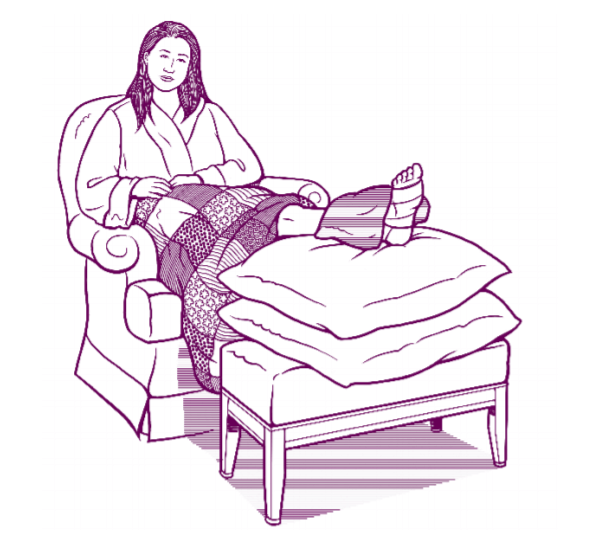
Caregiver Safety: What to do if you are if you are hurt on the job
How do work-related injuries occur? Through a single event, such as falling and hurting your back or getting burned while cooking for the client. Through repeated activity or contact, such as back strain from daily assisting with transfers; asthma from repeated exposure to animals, dust, or cleaning products; or a skin rash from using chemicals or repeatedly washing hands. Tips What to do if you get hurt on the job Get medical treatment. If it’s a medical emergency, call 911 or go to an emergency room right away! Make sure to tell the doctor that your injury happened at work....
Learn More about Caregiver Safety: What to do if you are if you are hurt on the job
Caregiver Safety: Fire and electrical safety
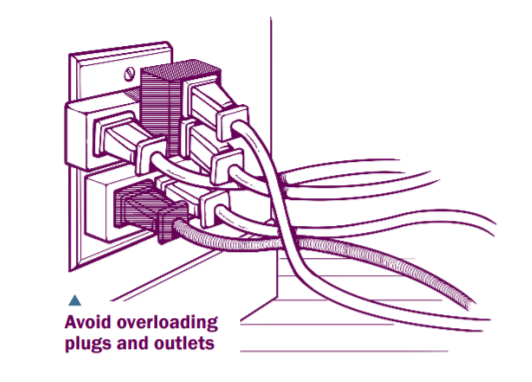
Fire and electricity hazards, if not properly addressed, could lead to electrical shocks and burns. Tools Have these things available or installed to make the job safer: Smoke alarms on each floor (Check batteries at least once a year.) Fire extinguisher—Know where it is and make sure it has been serviced regularly. Get training on how to use it. If there is no extinguisher, ask the client or apartment manager about it, if appropriate. Tips General fire safety: Plan and practice evacuation in case of a fire. Know where the exits (including windows) are. Write down emergency numbers, and in...
Learn More about Caregiver Safety: Fire and electrical safety
Caregiver Safety: Preventing trips and falls
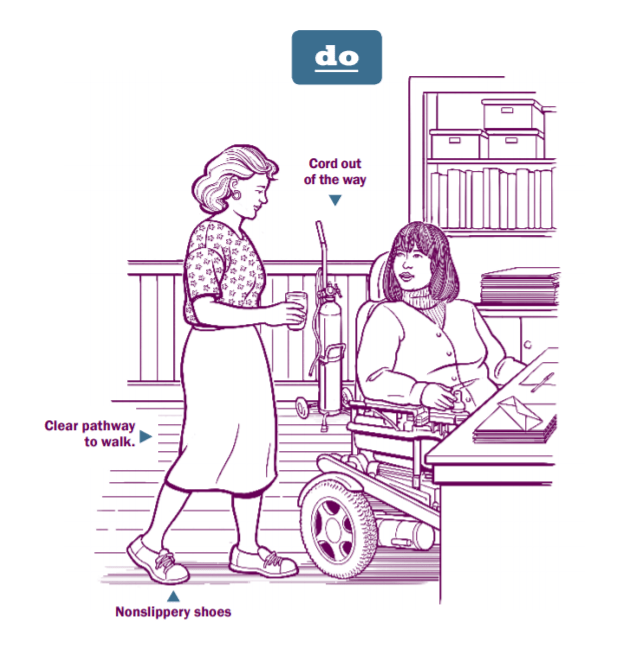
There may be hazards around the house that could cause trips and falls leading to bruises and sprains or worse, broken bones. Tools Use these things to make the tasks safer: Shoes with nonslip soles. Carpet fasteners or double-sided carpet tape to help keep rugs in place. Adequate lighting throughout the home, including walkways, stairs, and outdoor areas. Make sure all light bulbs are working. Keep flashlights on hand in case of power outages. Tips Use nonskid wax on floors or no wax at all. Clear walkways and stairs of obstacles and tripping hazards like boxes, papers, and other items....
Learn More about Caregiver Safety: Preventing trips and falls
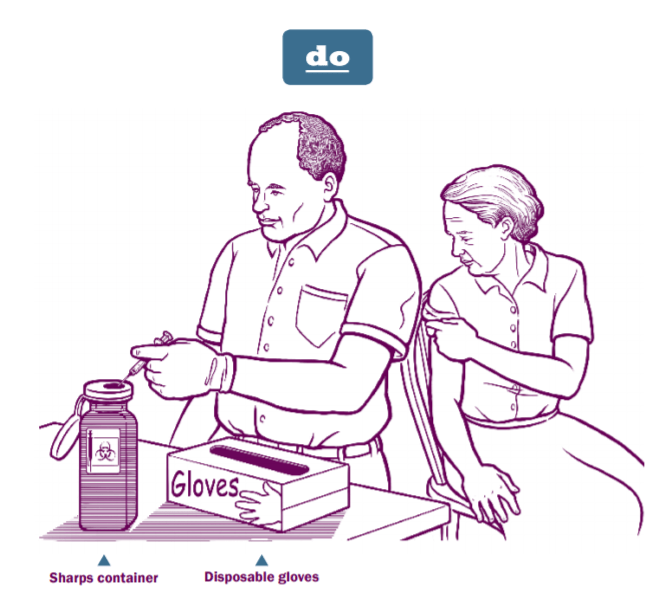
Caregiver Safety: Handling needles and sharps
When handling needles and sharps, watch out for contact with blood and body fluid. They can be infected with disease. Diseases carried in blood include HIV, the virus that causes AIDS, and hepatitis B and C, which are incurable liver diseases. You are at risk for HIV/AIDS, hepatitis, and other diseases if you Are stuck by a needle or “sharp” (an object that can pierce your skin) that has infected blood on it. It could be a needle that you are using for an injection, a diabetes stick, a discarded needle that accidentally sticks you when you are cleaning up...
Learn More about Caregiver Safety: Handling needles and sharps
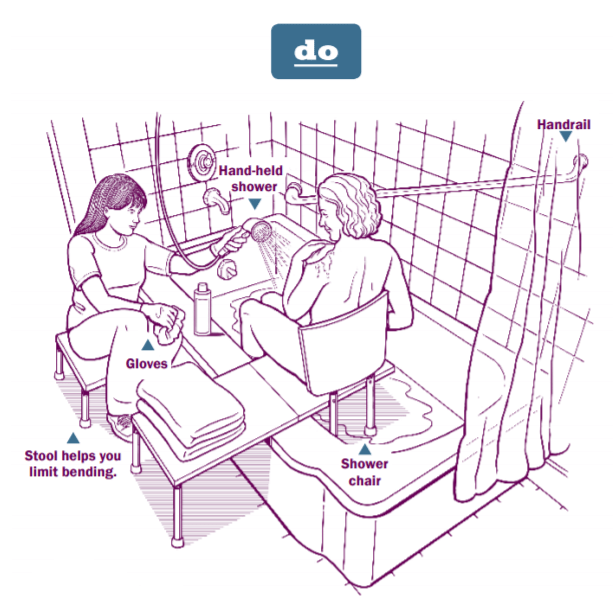
Caregiver Safety: Helping the client take a bath or shower
When helping a client take a bath or shower, watch out for muscle strains and sprains from lifting, transferring, and reaching. Precautions must be taken for possible exposure to infectious diseases. Tools Use these things to make this work safer: Handrails installed for the client to use. A stool to sit on to keep you from reaching or bending too much. A shower chair to help the client bathe with less assistance. Disposable gloves should be worn any time there is a chance of contact with blood or body fluids. (See “Standard Precautions”____________________________) A hand-held shower or shower hose...
Learn More about Caregiver Safety: Helping the client take a bath or shower
Ready to get started?
I'm interested in:
 Home Care Services
 Home Care Jobs