
Families searching for in-home care often ask what a companion caregiver actually does during a typical visit. The answer goes beyond a simple list of chores. A FirstLight companion caregiver provides comfort, companionship, and practical help with transportation, meals, and basic household tasks. The support is non-medical, yet it can make a real difference in how a person feels at home each day. Understanding the role helps families choose the right level of care and know what to expect from the very first visit.
The Role of a FirstLight Companion Caregiver
A companion caregiver at FirstLight works in the client’s residence and outside the home when needed. The focus is on non-medical support that helps clients maintain their routines and their independence. Caregivers are expected to handle the demands of the job with maturity, keep client information confidential, and stay committed to the philosophy and mission of FirstLight Home Care. Above all, they bring a genuine desire to help clients reach their full potential while remaining in a familiar and comfortable setting.
Daily Duties of a Companion Caregiver
FirstLight companion caregivers assist with everyday tasks and routines, which helps create a more comfortable and structured day. While every care plan is personalized to the client, most visits include a combination of the following responsibilities:
- Meal preparation: caregivers can prepare regular meals that maintain a healthy diet and provide sufficient nutrition, even when a client has specific preferences or dietary needs.
- Light housekeeping and laundry: keeping living spaces tidy and managing basic laundry helps the home stay safe, clean, and pleasant.
- Shopping and errands: picking up groceries, prescriptions, and other essentials saves clients energy and keeps them stocked with what they need.
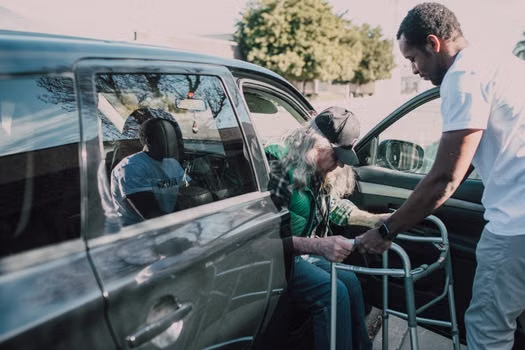
- Transportation: rides to appointments, community events, or social outings help clients stay connected to the world around them.
- Companionship and conversation: regular visits for conversation and company provide reliable human connection that many clients look forward to each day.
- Recreation and activities: involvement in hobbies, games, walks, or other interests keeps clients engaged, stimulated, and active.
Companion Care vs. Personal Care
Families sometimes confuse companion care with personal care. The two services are related but distinct. FirstLight describes companion care as help with meal preparation, errands, laundry, and more. Personal care involves hands-on help with mobility, bathing, eating, toileting, and more. A client may receive one type of support or both, depending on their needs and level of independence.
| Companion Care | Personal Care |
| Meal preparation | Mobility assistance |
| Errands and shopping | Bathing and hygiene |
| Laundry and light housekeeping | Eating and meal support |
| Companionship and conversation | Toileting and personal hygiene |
Emotional and Social Support at Home
Beyond the practical tasks, companion care provides presence and companionship through regular visits, conversation, and involvement in recreation. For an older adult who lives alone or a person who cannot drive, these visits can be the highlight of the day. Social engagement is important for emotional well-being, and a consistent caregiver relationship helps reduce the isolation that often comes with staying at home. Over time, a familiar caregiver learns the client’s preferences, routines, and sense of humor, which makes each visit feel more personal and more meaningful.
What a Typical Visit Looks Like
A typical companion care visit is built around the client’s preferences and daily rhythm. The caregiver might arrive in the morning to help prepare breakfast and tidy the kitchen, then accompany the client on a short errand or to a scheduled appointment. Later visits could include making lunch, folding laundry, and sitting down together for conversation or a favorite activity. Because routines create structure and comfort, caregivers pay close attention to what matters most to each client and adjust naturally as needs change.

How Companion Care Helps Families
Families often carry a heavy load when caring for a loved one. Home care acts as a lifeline for family caregivers by sharing the daily responsibilities that can become overwhelming. When a companion caregiver handles meals, errands, laundry, and transportation, family members can step back from logistics and focus on simply being present with their loved one. Many families also gain peace of mind knowing that someone reliable is checking in regularly and noticing small problems before they grow into bigger ones.
Who Can Benefit from a Companion Caregiver
FirstLight serves seniors, veterans, adults with disabilities, individuals recovering from illness or surgery, and the family members who support them. Companion care is especially valuable for someone who is generally independent but needs a little extra help with errands, meals, or transportation. It is also a good fit for a person who feels lonely and would benefit from regular conversation and company. FirstLight Home Care of Central Orlando brings these services to families in Orange, Osceola, and Seminole counties.
Frequently Asked Questions
What is the difference between companion care and personal care?
Companion care focuses on non-medical help with daily life, including meal preparation, errands, laundry, and companionship. Personal care involves hands-on assistance with mobility, bathing, eating, and toileting. A client might use companion care to stay socially engaged and keep up with household tasks, while personal care supports physical needs. FirstLight can provide one service or combine both in a single care plan.
Does a FirstLight companion caregiver provide medical care?
No. Companion caregivers provide non-medical support such as meals, light housekeeping, errands, transportation, and conversation. They do not perform clinical tasks like administering medication or wound care. Families that need medical support should discuss those needs with their home care coordinator to understand which services are appropriate for their situation.
Can a companion caregiver help with transportation and errands?
Yes. Transportation is a core part of companion care. Caregivers can drive clients to appointments, help with shopping, and run errands such as picking up groceries or prescriptions. This support is provided both inside the client’s residence and outside it as needed. For clients who no longer drive, this service keeps them connected to the community and reduces reliance on family members.
How does companion care support family caregivers?
Family caregivers often handle meals, laundry, errands, and appointments while also providing emotional support. A companion caregiver shares these responsibilities, giving family members time to rest, work, or simply enjoy being with their loved one. Regular visits also provide peace of mind that someone reliable is present, which is one reason home care is described as a lifeline for family caregivers.
 Home Care Services
 Home Care Jobs