
A quiet house can become a lonely house very slowly. The phone rings less often, the driveway stays empty, and a senior who once had a full calendar of church groups, card games, and lunch dates starts measuring the day by what is on television. Family members in Orlando, Oviedo, Winter Park, and the surrounding communities often notice the change before their parent says anything about it. Companion care exists for exactly that gap, and it is one of the core services offered by FirstLight Home Care of Central Orlando.
Social isolation among older adults is not a small or sentimental problem. It affects mood, motivation, appetite, and the willingness to keep up with medical appointments and daily routines. Companion care addresses that side of aging directly, with scheduled visits built around conversation, shared activities, and practical help that gets a senior out of the house again.
What Loneliness Looks Like for a Senior Living at Home
Isolation rarely announces itself. It accumulates after a spouse passes away, after the car keys are handed over, after a close friend moves to be near family, or after retirement removes the daily rhythm of coworkers and conversations. Mobility limitations and hearing loss can shrink a social circle further, until leaving the house feels like more effort than it is worth.
Families often describe the same set of changes:
- Fewer outings and more time spent sitting in the same chair
- Shorter, flatter phone conversations that avoid describing the day
- Loss of interest in hobbies, cooking, or getting dressed for anything
- Skipped appointments, unopened mail, and a fridge that stays mostly empty
- Repeated comments about being a burden or not wanting to bother anyone
These are not necessarily signs of a medical crisis, but they are signs that a person’s days have become too empty. Companionship is a practical response, because a regular visitor restores structure: someone to expect, something to do, and a reason to be ready when the doorbell rings.
How FirstLight Home Care of Central Orlando Approaches Companionship
FirstLight Home Care of Central Orlando provides non-medical in-home care for seniors and adults who want to remain in their own homes. The organization operates as a locally owned franchise within the broader FirstLight Home Care system, and its stated mission centers on helping people have their best day, every day. The company describes its approach as relationship-based, with personalized care plans that account for physical, emotional, and social needs rather than only tasks on a checklist.
Companion care is one of several service lines the office offers, alongside personal care, dementia care, respite care, veteran care, hospice support, rehabilitation and recovery care, disability care, live-in care, errand and transportation services, and supplemental staffing for senior care facilities. For a lonely senior who does not yet need hands-on help with bathing or dressing, companion care is often the entry point.
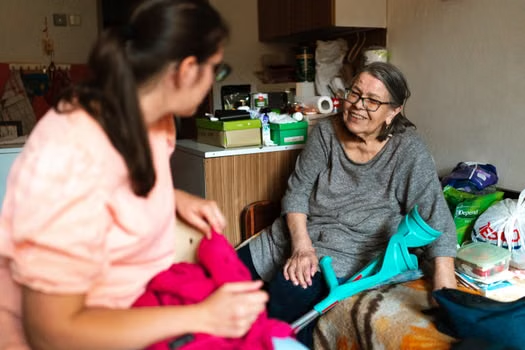
At its core, companion care is presence. A caregiver arrives, sits down, and talks. That might mean discussing grandchildren, reviewing the morning paper, working a puzzle, watching a favorite program together, or simply being in the room while a senior eats lunch. The value is in consistency: the same familiar face, showing up on a predictable schedule, week after week. Relationship-based caregiving depends on that continuity, because trust builds through repetition rather than through a single visit.
Meals, errands, and light household help

Companion care through FirstLight includes meal preparation, light household assistance, shopping, and errands. These tasks matter for loneliness more than they might appear to. Cooking for one is dreary, and many seniors stop preparing real meals once there is no one to cook for. A caregiver who cooks alongside a client, or who takes them to the grocery store and walks the aisles with them, turns a chore into an outing and a shared activity. Errands also create small, regular points of contact with the outside world.
Transportation and getting out of the house
Transportation is part of the companion care service line, and it is frequently the piece that families value most. Once driving stops, social invitations quietly dry up. A caregiver who can drive a senior to a doctor’s appointment, a hair appointment, a church service, a family gathering, or a community activity removes the single biggest barrier to staying connected. Even a short trip to a coffee shop or a park bench counts as engagement, and it often improves mood in a way that no amount of conversation at home can match.
Companion Care and Personal Care: How They Differ
Families sometimes assume that any in-home caregiver does the same job. FirstLight separates the two service lines, and understanding the difference helps when deciding what to request.
| Area of focus | Companion care | Personal care |
| Primary purpose | Social engagement, emotional support, and help with daily life | Hands-on assistance with activities of daily living |
| Typical support | Conversation, meal preparation, light housekeeping, shopping, errands, transportation, activity participation | Bathing, hygiene, dressing, grooming, mobility assistance, transfer support, medication reminders, daily routines |
| Best fit for | A senior who is largely independent at home but spends too much time alone | A senior who needs physical help to get through the day safely |
| Can they be combined? | Yes. Care plans are personalized, and many clients begin with companionship and add personal care support as needs change. | |
Who Companion Care Helps Beyond Seniors Living Alone
Loneliness is not limited to people who live by themselves, and the FirstLight service list reflects that. Companion care can support a senior who lives with a spouse but whose world has narrowed, an adult recovering after surgery who is stuck at home for weeks, a veteran who feels disconnected from the community they once served, or a person living with dementia who becomes agitated or withdrawn without familiar company.
Respite care serves a different kind of loneliness, the kind felt by the family caregiver who has not had an afternoon to themselves in months. When a professional caregiver covers a few hours, the spouse or adult child gets a break, and the person receiving care gets a change of pace and a new face to talk with. Live-in care extends the same idea to round-the-clock coverage for families who cannot be present daily.
Where FirstLight Home Care of Central Orlando Provides Care
The office serves seniors and families across Central Florida, with coverage that includes Orlando and nearby communities in Orange, Osceola, and Seminole counties. The office address is 15 Windsormere Way, Oviedo, FL 32765, and the contact number listed on the company’s Orlando site is (407) 434-0675. Families who prefer to visit in person should confirm office hours before stopping by, since directory listings vary and one public listing shows availability extending across all hours of the day.
Central Florida has more than one FirstLight location, including separate offices serving other parts of the state, so it helps to confirm you are reaching the Central Orlando team when you call. Directory listings for this office have also shown an alternate local phone number at different times, so if one number does not connect, ask the office to confirm the best number for your inquiry.
Signs It May Be Time to Arrange Companion Care
There is no single threshold that tells a family it is time to bring in help, but a few patterns tend to be reliable:
- The senior goes several days in a row without a real conversation.
- They have stopped driving and have no replacement for getting around.
- Meals have become snacks, or the kitchen is mostly unused.
- Family members live far away or work full time and cannot visit regularly.
- They mention loneliness, boredom, or feeling like a burden.
- A recent hospital stay or surgery has left them homebound and isolated.
Companion care does not require a diagnosis or a crisis. Many families start with a few visits a week and adjust the schedule as they learn what works.
How Families Get Started
The first step is a conversation about the person, not just the tasks. When you contact FirstLight Home Care of Central Orlando, be ready to describe a typical week, what the senior enjoys, where they struggle, and how much company they currently have. That information shapes the care plan and the matching of a caregiver.
It also helps to ask specific questions during that first call. Ask how caregivers are matched with clients, how schedules are changed if a caregiver is unavailable, what happens if needs increase beyond companion care, and what the rates and minimum visit requirements are. Costs and payment options are not published in the sources reviewed for this article, so confirm them directly with the office rather than relying on general estimates. If Medicare coverage or long-term care insurance is part of the picture, ask the office which documentation they need.
Frequently Asked Questions
What exactly is companion care?
Companion care is non-medical in-home support focused on social engagement and everyday help. Through FirstLight Home Care of Central Orlando it can include conversation and companionship, meal preparation, light household assistance, shopping and errands, transportation, and participation in activities. It is designed for people who are largely independent but spend too much time alone, and it can be combined with personal care as needs change.
Does companion care include transportation?
Yes. Transportation and errand services are part of the companion care service line listed by FirstLight Home Care of Central Orlando. That can mean rides to medical appointments, errands, religious services, family events, or community activities. Because availability and scheduling vary by care plan, confirm the specific destinations and timing you need when you set up the arrangement with the office.
Which areas does FirstLight Home Care of Central Orlando serve?
The office provides in-home care to seniors and adults in Orange, Osceola, and Seminole counties, including Orlando and nearby communities. Its address is 15 Windsormere Way, Oviedo, FL 32765. If you live outside that footprint, call to confirm coverage, since FirstLight operates other offices elsewhere in Florida that serve different territories.
How much does companion care cost in Central Florida?
Rates are not published in the sources reviewed for this article, and pricing depends on the number of hours and the type of care requested. The most reliable approach is to call FirstLight Home Care of Central Orlando directly at (407) 434-0675 to request current rates, minimum visit lengths, and accepted payment methods before you commit to a schedule.
Can companion care help someone with dementia?
FirstLight offers a separate dementia and memory care service line, and companion care can play a supporting role for clients with memory conditions who benefit from familiar company and a steady routine. Caregivers are trained to support both the individual and the family. Discuss the person’s diagnosis and behavior patterns with the office so the care plan reflects their actual needs.
Loneliness responds well to something as straightforward as a regular visitor. A few hours of company each week can restore routine, restart outings, and give family members a way to check in on what is really happening at home. Families in Central Florida who want to explore that option can reach FirstLight Home Care of Central Orlando at (407) 434-0675 to discuss what companion care would look like for their parent.

