Caring for an older adult can be rewarding and exhausting at the same time. Many families start with one primary caregiver who manages medication, meals, rides, and daily routines. Over time, that responsibility grows heavier. When families begin looking for outside help, they often come across two services that appear similar: respite care and 24/7 home care. Both bring a professional caregiver into the home, but each one exists for a different reason. One is made to give the family caregiver a real break. The other is designed to make sure a senior is never left alone. The right choice depends on the goal of care, the schedule required, and the level of support the family can manage.
What Is Respite Care?
Respite care offers short-term and recurring relief for the family members who handle the day-to-day work of caregiving. Its purpose is not to take over permanently. It exists to make sure the person receiving care stays safe while the primary caregiver rests, recovers, or tends to personal responsibilities. Many family caregivers put their own needs aside for months before asking for help. Respite care gives them permission to step away without worrying about the person they normally support.
FirstLight Home Care Services offers respite care for family caregivers so that their loved ones are cared for while the caregivers rest. Respite support can be arranged for shorter windows or longer stretches, and families can return to it whenever they need another break. Because the service is flexible, it can work as a one-time arrangement or as a recurring part of a family’s weekly routine.
The Focus of Respite Care Is the Family Caregiver
The central difference is easy to overlook. A typical in-home care service focuses on helping the person who requires care. Respite care focuses on providing assistance and relief to a primary caregiver. When a spouse or adult child has been providing care alone, respite visits create space to recharge and handle the rest of life. The senior still receives quality support at home, but the real beneficiary of the service is the family member who needs a dependable pause.
What Is 24/7 Home Care?
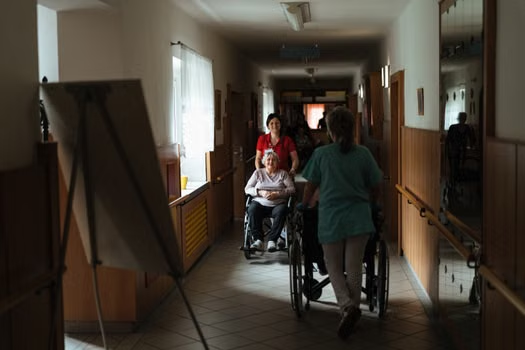
24/7 home care guarantees that someone from a care team is present at all hours. Unlike respite care, which is intermittent, 24-hour home care involves caregivers working in shifts. There is never a moment when the person receiving care is left unsupported, whether it is the middle of the night, early morning, or during a busy afternoon. This type of care is built for seniors who need hands-on help throughout the day and overnight supervision.
FirstLight describes 24/7 care as a model in which caregivers attend to the client’s needs in eight-hour shifts. Those shifts can cover bathing, dressing, transfers, meals, mobility assistance, medication reminders, and supervision during the night. With several caregivers rounding out the schedule, the client receives consistent coverage while each staff member gets enough rest between shifts.
When Continuous Care Becomes Necessary
Families move toward 24/7 care when safety depends on having someone close by at all times. The need can appear after a hospital stay, after surgery, or when memory loss or balance problems make nighttime hours risky. Continuous care also becomes important when family caregivers are no longer able to provide overnight support without putting their own health and energy at risk.
Key Differences Between Respite Care and 24/7 Home Care
The clearest way to compare these services is to look at the primary focus, the schedule, and how caregivers are assigned.
| Respite Care | 24/7 Home Care | |
| Primary focus | Relief for the family caregiver | Around-the-clock support for the client |
| Typical schedule | Short-term or recurring visits | Continuous coverage throughout the day and night |
| Caregiving model | A caregiver arrives for planned periods | A team of caregivers rotates in eight-hour shifts |
If the goal is to give a stressed spouse relief for an afternoon or a weekend, respite care is the natural fit. If a loved one cannot be left alone at any point, 24/7 home care may be necessary. The two services address different problems, and families often use both at different stages of a care journey.
Live-In Home Care: Another Flexible Option
Between the two extremes sits another arrangement that many families find appealing. For clients who need overnight support but do not require the constant rotation of a large care team, live-in home care offers continuity and meaningful savings. Live-in Home Care is charged on a daily basis and is much more cost-effective than 24/7 Home Care.
The scheduling model is different, too. In 24/7 care, caregivers come and go in eight-hour shifts. In a live-in situation, assigned caregivers have two- or three-day shifts. Fewer handoffs can mean a calmer environment for a senior who prefers familiar faces and a simpler routine. Families can think of live-in care as a middle path between scheduled visits and full rotating coverage.
How Daily Billing Makes Live-In Care Practical
Because live-in home care is billed per day instead of per shift, families can plan around a predictable daily rate. This structure supports clients who need a caregiver present through the night but do not need the full staffing model that comes with 24/7 shift coverage. For many families, daily billing makes continuous care financially realistic over a longer period.
FirstLight’s Approach to Flexible Support
FirstLight Home Care of Central Orlando provides private in-home caregiver services for seniors and adults across Orange, Osceola, and Seminole counties. The care team focuses on non-medical assistance that helps clients maintain independence and dignity at home. That focus stretches across a full service menu, so families are not forced to choose between a single visit and a full-time arrangement.
- Personal care: bathing and hygiene, dressing and grooming, mobility assistance, transfer support, medication reminders, and help with daily routines.
- Companion care: conversation, meal preparation, transportation, light housekeeping, shopping and errands, and participation in favorite activities.
- Respite care: temporary coverage that gives family caregivers time to rest and recharge.
- Live-in care: an assigned team of caregivers providing consistent overnight and daily support at a daily rate.
- Specialty services: dementia care, veteran care, travel companion support, post-cosmetic recovery care, and supplemental staffing for senior care facilities.
This broad service menu means that families can adjust as needs change. A family might start with a few hours of respite care each week, add personal care visits when mobility declines, and later transition to live-in care when overnight presence becomes important. FirstLight supports each of those steps through the same local care team.
How to Choose Between Respite Care and 24/7 Home Care
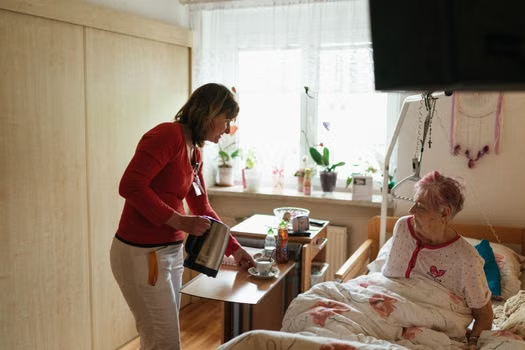
The starting point is always the same: identify who needs support and why. Respite care makes sense when the primary family caregiver is the one who needs relief, a chance to step away, or a short-term break from daily duties. It is intermittent, flexible, and easy to schedule around a family’s own calendar.
Ongoing home care becomes the focus when the senior needs regular help with daily activities. If that help is needed at specific hours, hourly and recurring care may be enough. If a loved one requires supervision around the clock, then 24/7 home care is the safer option. Families who want continuous care but want to control costs should compare 24/7 home care with live-in home care, since the live-in model provides a different billing structure and fewer caregiver transitions.
A conversation with a local care coordinator can help families sort through these options. An honest assessment of the senior’s routine, the family caregiver’s stamina, and the household budget usually points toward one clear choice.
Frequently Asked Questions
What is the difference between respite care and 24/7 home care?
Respite care provides temporary, intermittent support that relieves a primary family caregiver. 24/7 home care brings a team of caregivers into the home around the clock, working in shifts so that the senior is never left alone. Respite care may be scheduled for a few hours or recurring visits, while 24/7 care continues through the day and night without gaps.
When should a family choose 24/7 home care over respite care?
24/7 home care becomes the right choice when a senior cannot be left alone safely at any point during the day or night. Families often turn to it after a hospital stay, when mobility declines, or when memory-related conditions create safety concerns. Respite care is better suited to families that have a capable primary caregiver who simply needs a dependable break.
Is live-in home care the same as 24/7 care?
No. Live-in home care is charged on a daily basis and is much more cost-effective than 24/7 home care. In 24/7 care, caregivers work eight-hour shifts around the clock. In a live-in situation, assigned caregivers work two- or three-day shifts, which can reduce the number of transitions a senior experiences during the week.
Does FirstLight offer respite care for family caregivers?
Yes. FirstLight Home Care Services offers respite care for family caregivers so that their loved ones are cared for while the family rests. FirstLight Home Care of Central Orlando provides this service to families in Orange, Osceola, and Seminole counties. Families can schedule short-term relief or recurring visits through the same team that provides companion and personal care.

