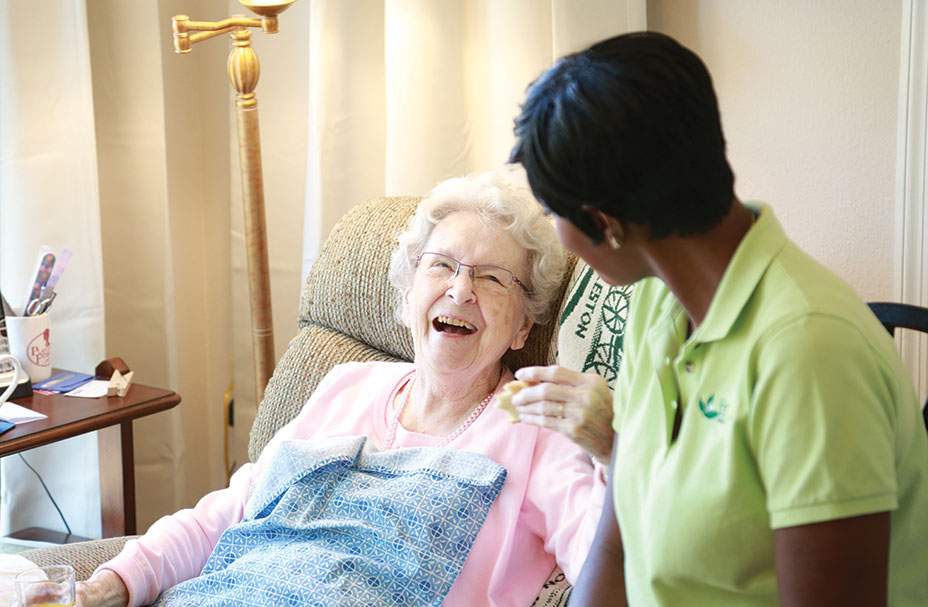
Leaving the hospital is often seen as a sign of recovery—but for many families, it’s also the start of a new set of concerns. Loved ones may still feel weak, unsteady, or overwhelmed by daily tasks, and families are suddenly responsible for making sure everything goes smoothly at home.
Understanding what to expect after a hospital discharge can help families feel more confident and prepared during this important transition.
Why the Transition Home Can Feel Challenging
Even after medical treatment is complete, recovery takes time. Seniors and adults returning home may experience:
- Fatigue or limited mobility
- Difficulty managing daily routines
- Increased fall risk
- Confusion about medications or follow-up care
- Emotional stress or anxiety
Families often find themselves asking, “Are we doing enough?” or “What if something goes wrong?” These concerns are common—and valid.
The Role of Short-Term In-Home Support
Short-term in-home care can provide added reassurance during recovery. This type of support is not meant to replace medical care, but to help with everyday needs while a loved one regains strength and confidence.
In-home support after a hospital discharge may include:
- Assistance with personal care and mobility
- Help maintaining safe routines
- Medication reminders
- Meal preparation and light housekeeping
- Companionship and encouragement
For many families, knowing someone is there to help during the day—or even for a few hours—brings peace of mind.
Support That Adjusts as Recovery Progresses
One of the benefits of short-term care is flexibility. Some individuals may need help for only a few days or weeks, while others benefit from ongoing support as recovery continues.
Care can be adjusted as needs change—whether that means scaling back assistance or transitioning to a different level of support. There is no one-size-fits-all approach, and that flexibility helps families feel less pressured to make long-term decisions right away.
Emotional Well-Being Matters Too
Recovery isn’t just physical. Many people feel vulnerable or frustrated after a hospital stay. Familiar surroundings, consistent routines, and supportive companionship can make a meaningful difference during this time.
For families, having help at home can also reduce stress and allow loved ones to focus on encouragement and quality time rather than tasks and worries.
Taking the Next Step with Confidence
If your family is navigating life after a hospital discharge, it’s okay to take things one step at a time. Learning about available support options early can make the process feel less overwhelming and help ensure a smoother transition home.
Reliable, compassionate in-home care can be a valuable part of recovery—providing comfort, safety, and reassurance when it’s needed most.
If you have questions about what support might look like for your situation, a conversation with a trusted local care provider can help clarify options and bring peace of mind.
 Home Care Services
 Home Care Jobs