Bringing a Parent Home to Wellesley After the Hospital or Rehab? Let's Plan the First Days Together
If your mom or dad is being discharged from a hospital or rehab facility back to Wellesley, the first days at home can feel like the hardest part. Our local care coordination team listens first, reviews the discharge plan with you, and builds practical non-medical support around the person, the Wellesley home, and the family. Call as soon as discharge looks possible so we have time to match the right caregiver and prepare for a safer return home.

Request Home Care Information
I'm Looking For *
FirstLight is hiring! Join our team.
* indicates required fields
Privacy Disclaimer
By providing my wireless phone number to FirstLight Home Care of West Suburban Boston (hereinafter collectively “Company”), I hereby agree and expressly acknowledge that the Company may send text messages to my wireless phone number for any purpose including but not limited to marketing and updating information. Message and data rates may apply. You may Opt-out at any time by replying “STOP” to any text message that is sent by Company.
Your mobile information will not be shared by the Company with third parties for marketing/promotional purposes. Company may disclose your mobile information to a third party for a business purpose. When Company discloses your mobile information for a business purpose, Company enters into a contract that describes the purpose and requires the recipient to keep the mobile information confidential or not use it for any purpose other than performing the contract.
Connect with a caregiver that's right for your needs
Awards & Associations







How We Support Wellesley Families Through a Discharge Transition
Review the Discharge Plan With You
We sit down with the family, review the hospital or rehab discharge instructions, and translate them into a practical at-home routine for bathing, mobility, meals, medication reminders, and rest. We also flag what may need a skilled provider so nothing falls between the cracks.
Personal Care for the First Days Home
Hands-on help with bathing, dressing, toileting, transfers, and walking support, plus a careful eye on fall risk while a parent is still weak, unsteady, or adjusting to new equipment after surgery, illness, or a rehab stay.
Overnight and Around-the-Clock Coverage
When a parent is a fall risk at night, confused after anesthesia, or simply not safe alone, we can plan overnight shifts or 24-hour awake coverage. Shorter shifts are harder to staff, so the earlier we know, the better the match.
Dementia-Aware Discharge Support
Hospital stays can leave a loved one with dementia more disoriented and resistant to help. Our caregivers receive dementia-focused training through our Compassionate Memory Care Program to ease the return home with calm routines and familiar cues.
 Steve Stern and Wendy Adlerstein, LSW
Owners
A Plan for the First Days Home in Wellesley
(781) 559-0220 Call for discharge help
Discharge day rarely looks the way families expect. The case manager calls earlier than planned, the medication list changes, and suddenly there is a short window to figure out who will be at the house, how your parent will get from the car to the bedroom, and what happens if they need help in the middle of the night. We have walked Wellesley families through this many times, and the most important step is usually the simplest one: pick up the phone before discharge so we have time to listen, learn the situation, and match the right caregiver.
When discharge is coming up for a Wellesley parent
If your parent is returning to a Wellesley home after a hospital stay, short-term rehab stay, or outpatient rehab plan, the clinical discharge instructions are only one part of the transition. Families still have to decide who will be there at home, how the first nights will work, whether bathing and transfers feel safe, and what to do if something changes after the medical team has left.
That is where our non-medical home care team can help. We can support the daily routine around discharge from places such as Newton-Wellesley Hospital, Elizabeth Seton Residence in Wellesley Hills, inpatient or skilled rehab programs, or outpatient follow-through at Spaulding Rehabilitation Outpatient Center in Wellesley. While we collaborate with those facilities as part of a family’s care plan, we are not affiliated with them and do not replace their medical teams. Our role is to help with the practical home routine: presence, personal care, mobility support, meals, reminders, supervision, and communication with the family.
What to ask the hospital or rehab discharge planner before your parent comes home
- What time is discharge expected, and who is responsible for transportation?
- Are there weight-bearing, stair, bathing, swallowing, oxygen, or fall-risk precautions?
- Which home-health nursing, physical therapy, occupational therapy, or speech therapy visits are ordered, and when should the first visit happen?
- If outpatient rehab is part of the plan, where are the appointments and how will your parent get there?
- What durable medical equipment should be in the Wellesley home before arrival: walker, wheelchair, commode, shower chair, hospital bed, oxygen, or grab bars?
- Which medications changed, stopped, or need close reminders?
- What symptoms or changes should trigger a call to the doctor, visiting nurse, rehab clinician, or 911?
- Does the discharge team think the first nights require supervision, especially for toileting, confusion, or fall risk?
What we listen for during the first conversation
When you call, we are not running through a script. Our care coordination team asks about the discharge plan, the Wellesley home setup, your parent’s mobility and memory, who else is helping, and what the schedule looks like for the first two weeks. From that conversation we build a care plan that fits the person and the family, not a generic shift block.
- The discharge summary and any therapy or home-health orders
- Fall risk, transfers, stairs in the Wellesley home, and bathroom safety
- Medication reminders, meals, hydration, and sleep patterns
- Memory changes, sundowning, or post-hospital confusion
- Family availability, work schedules, and travel plans
- How much support feels right for the first 72 hours versus the next two weeks
The first 72 hours home
The first three days are often when families notice the most practical safety concerns at home. People are tired from the hospital, on new medications, and sometimes more unsteady than they were before they went in. For many Wellesley families, this is when overnight or longer daytime coverage matters most, even if the long-term plan is lighter support.
What a caregiver typically helps with in those first days
- Safe transfers from bed, chair, and toilet, with attention to any written precautions
- Bathing, dressing, and personal hygiene without rushing
- Meal preparation, hydration reminders, and help opening packaging
- Medication reminders alongside the family’s tracking system
- Light housekeeping so the home stays clear of trip hazards
- Calm companionship during a disorienting time
- Notes back to the family on appetite, sleep, mood, and any changes worth flagging
The next two weeks and beyond
Once the first wave settles, many families step coverage down. Maybe overnights end, daytime shifts shorten, or care shifts to a few visits a week for showers, errands, and companionship. Because the same care coordinator stays with your family, we adjust the plan as your parent regains strength or as new needs surface. If a skilled home-health nurse or therapist is also visiting, we coordinate around those appointments so the day is not chaotic.
When outpatient rehab becomes the next step
Some Wellesley recoveries shift from hospital or skilled rehab to outpatient therapy rather than only in-home services. If your parent has follow-up visits at a place like Spaulding Rehabilitation Outpatient Center in Wellesley, we can build the non-medical routine around that schedule: getting ready on time, meals before or after appointments, transportation planning with the family, safe walking back into the house, and rest afterward. That keeps this page focused on the practical gap between clinical rehab and everyday life at home.
What our team can and cannot do
We provide non-medical home care. That means our caregivers do not perform skilled nursing, give injections, change sterile dressings, or manage IVs. What we do is the daily, hands-on work that makes recovery at home possible: personal care, mobility support, meals, reminders, companionship, supervision, and a steady presence the family can rely on. When skilled services are part of the discharge plan, we work alongside the visiting nurse or therapy team rather than duplicating their role.
Why families choose an agency for a discharge transition
Hiring privately is an option, but discharge week is usually the wrong time to take on the role of an employer. With our team, you get W-2 employee caregivers who are screened, trained, supervised, and backed up if someone is sick. FirstLight Home Care of West Suburban Boston has served families locally for over 10 years under local owners Steve Stern and Wendy Adlerstein, LSW. Wendy brings more than 25 years of leadership in elder services and Massachusetts social work licensure to how the office thinks through family needs, care planning, and communication.
Honest talk about scheduling and cost
We do not require weekly minimums, which helps families who only need a few hours of bath and breakfast help in the morning. The honest caveat is that very short shifts are harder to staff and may cost more per hour because of how caregiver scheduling works. For most post-discharge situations, longer shifts during the first week or two produce a better caregiver match and a smoother recovery. We talk through the real numbers on our pricing and value page, and we will give you a clear estimate based on the actual schedule we build together.
Helpful local and Massachusetts resources for Wellesley families
These resources are not a substitute for the hospital or rehab discharge planner, but they can make the plan more concrete once your parent is coming home.
- Newton-Wellesley Hospital discharge planning information: useful if your parent is at Newton-Wellesley and the family needs to understand how case managers, social workers, insurance benefits, and discharge planning fit together.
- Newton-Wellesley Hospital inpatient rehabilitation: relevant when rehab begins during the hospital stay and the family needs to understand what support continues once the patient is back in the Wellesley home.
- Elizabeth Seton Residence: a Wellesley Hills skilled nursing and rehabilitation facility offering short-term post-acute rehabilitation, a common bridge between hospital care and returning home.
- Spaulding Rehabilitation Outpatient Center in Wellesley: useful when the next phase of recovery includes outpatient physical therapy, occupational therapy, speech-language pathology, or physiatry appointments close to home.
- Spaulding case management: helpful context for families whose rehab stay involves early discharge planning, insurance coordination, post-hospital care planning, and referrals to community resources.
- Wellesley Council on Aging programs and services: helpful for local senior programs, transportation questions, social services, and SHINE health-insurance counseling.
- Springwell services: the local aging-services organization families often contact for care advice, caregiver support, in-home services, home-delivered meals, information and referral, and community transition support.
- Massachusetts Executive Office of Aging and Independence: a state-level starting point for aging programs, protective services, and benefits questions.
How to know it is time to call us
Common moments families reach out
- The hospital or rehab social worker has named a likely discharge date
- Your parent lives alone in Wellesley and was barely managing before the hospital stay
- There is a new diagnosis, a recent fall, or a change in mobility
- The family caregiver is exhausted, traveling, or back at work full time
- Overnight safety is a worry, especially with memory changes or fall risk
- You are flying in from out of town and need eyes on the situation before you leave
Frequently asked questions about post-discharge care in Wellesley
How quickly can you start care after a hospital or rehab discharge?
Discharge timelines move fast, so the best answer is to call as soon as care looks likely. We cannot promise an immediate or same-day start because good matching takes a little time, but the earlier we know the situation, the better we can line up the right caregiver and schedule. When the timing is tight, we will tell you honestly what we can arrange.
Do you only serve Wellesley?
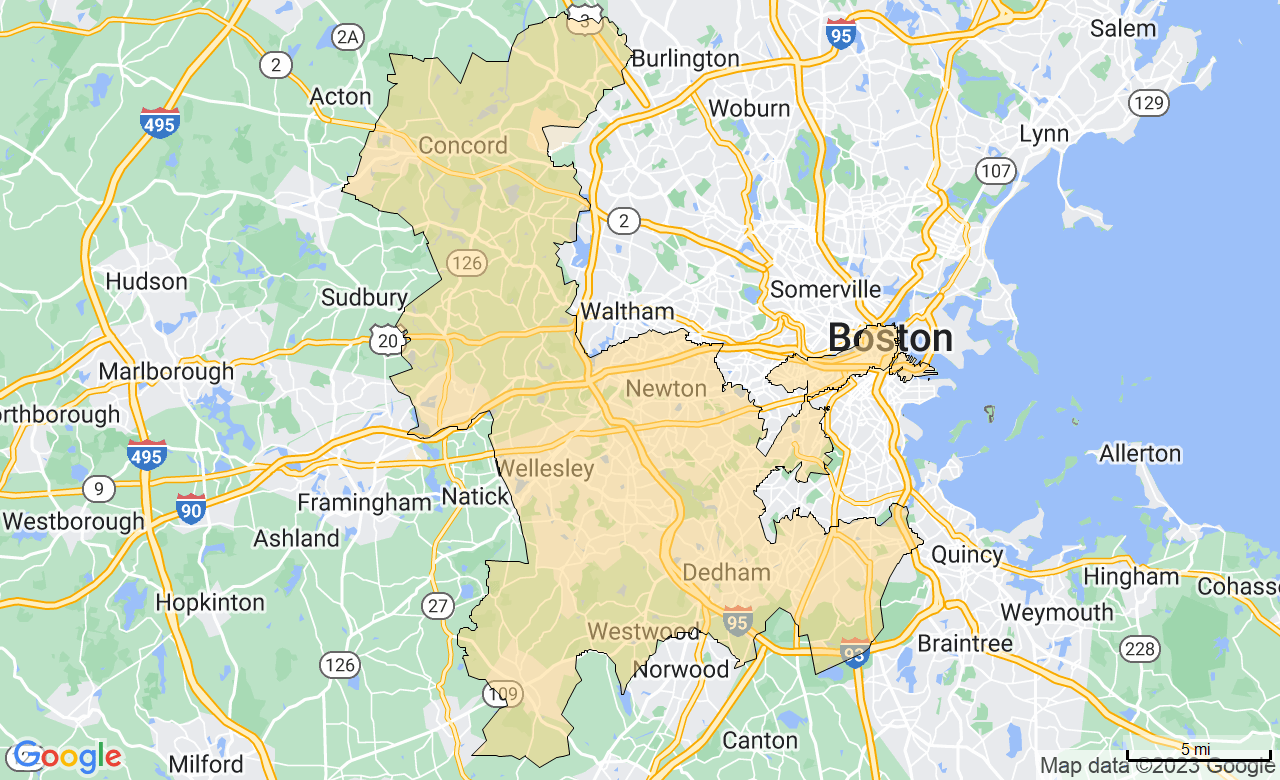
Wellesley is one of our primary towns, alongside Needham, Newton, Weston, Wayland, and Milton. We also serve nearby West Suburban Boston communities including Dedham, Westwood, and surrounding towns where coverage is available. If you are not sure whether your parent’s address is in our service area, just ask.
What if my parent also has a visiting nurse or physical therapist coming in?
That is very common after a hospital or rehab stay. Skilled home-health visits are usually short and focused. Our caregivers handle the rest of the day, helping with personal care, meals, mobility, and supervision, and we coordinate around the nurse or therapist’s schedule.
What if my parent resists having a caregiver in the house?
This is one of the most common worries we hear, especially with longtime Wellesley residents who value their independence. We talk through it openly, often starting with a shorter introduction, choosing language that fits your parent, and matching personality carefully. Our care support coordinator checks in during the early visits to make sure the relationship is working.
Can you help with dementia or post-hospital confusion?
Yes. Many older adults come home from the hospital more confused than they were going in. Our caregivers receive dementia-focused training through our Compassionate Memory Care Program, and we are deliberate about matching the right caregiver to dementia-related discharges.
How does pricing work for discharge care?
Pricing depends on the schedule we build together: shift length, time of day, level of care, and whether overnight or 24-hour coverage is part of the plan. We are happy to walk through real numbers for your situation. Our pricing and value page explains what is included in the rate, including hiring, training, supervision, backup planning, and care coordination, not just caregiver pay.
Related pages that may help
- Home care in Wellesley for our broader local services and reviews.
- 24/7 care for around-the-clock coverage during a recovery period when nights are the hard part.
- Personal care for bathing, dressing, transfers, and daily living support.
- Dementia care for families navigating memory changes alongside a discharge.
- Respite care for family caregivers who need real relief after weeks at the hospital.
When you are ready, call our Needham office and ask for the care coordination team. Our professional office staff is on call 24/7, with no answering service in between. We will listen first, then build a Wellesley discharge plan that fits your parent and your family.