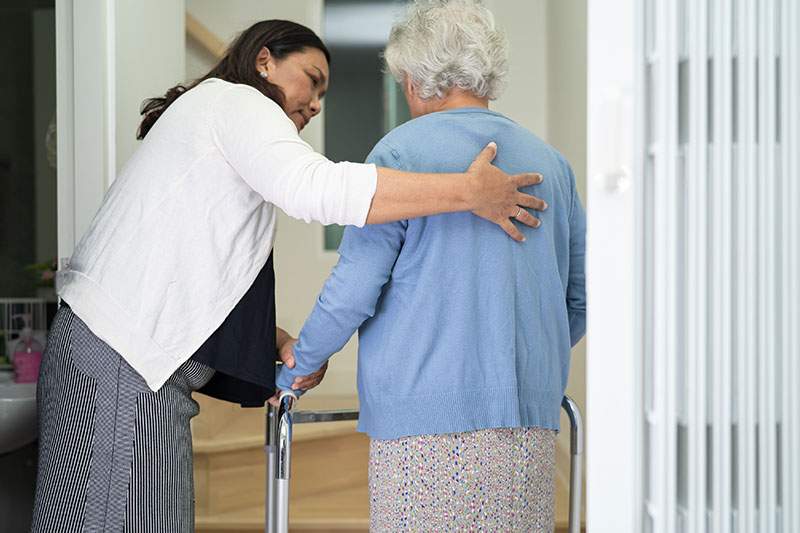
For seniors ages 65 and older, falls are the leading cause of injury. According to the Centers for Disease Control and Prevention (CDC), one out of five falls cause a serious injury, including broken bones, hip fractures or head injuries. Each year, at least 300,000 older people are hospitalized for hip fractures.
If you have an aging parent, grandparent or loved one, you want them to have their best day every day. Helping them reduce their risk of falling can keep them safe, healthy and independent. Here are some practical ways for preventing falls at home.
Why Seniors Fall
Preventing falls at home begins with knowing why seniors are falling so frequently. One in four older Americans fall every year for various reasons, including:
- Balance and Gait: As we age, we become less active. This can lead to loss of coordination, flexibility and balance.
- Vision: Elderly vision problems are a common reason for falls. As we get older, less light reaches our retina, which makes contrasting edges, tripping hazards and other obstacles more difficult to see.
- Medications: Some of the medications that your loved one takes have side effects such as dizziness, dehydration or drowsiness. If not monitored properly, it could lead to your elderly parent falling without anyone nearby to help.
- Environment: Seniors who have lived in their homes for a long time may not consider the need for a new environment. Sometimes, old rugs or poor lighting in the home can increase the chances of falling.
Fall Safety Tips for Elderly Loved Ones
Now that you are aware of the potential risks, here are four things you can do for preventing falls at home:
Monitor Their Balance
Is your older loved one unsteady on their feet? See if they’re holding onto walls, furniture or someone else when walking, or if they seem to have difficulty getting up from a chair. They may need help improving their balance, strength and gait. A cane, walker or other mobility aids for seniors might be the answer. Oftentimes, light exercise and regular activity can improve overall stability.
Discuss Health Conditions
Seniors living alone have a harder time maintaining their physical and mental well-being. If certain health issues are not addressed immediately, they could lead to more serious problems down the road. Make sure the senior adults in your life remember to take their medications and monitor any side effects. If they are having difficulty doing routine daily tasks alone, it may be helpful to invest in an in-home personal caregiver to assist with these tasks.
Stay Up to Date on Their Vision
According to Colorado State University, 27% of seniors ages 65 and up experience vision loss. Whether your elderly parent or grandparent wears glasses or not, it is a good practice to receive an eye exam yearly. Make sure they wear their glasses as directed by the eye doctor.
Create a Safe Home Environment
Preventing falls at home begins with a safe environment. There are many home modifications for elderly adults that can make their homes safer:
- Keep unnecessary clutter off the floors.
- Consider moving plugged-in items to a different area of the home to prevent tripping hazards.
- Add secure railings to both sides of the stairs, inside and out.
- Make sure their home has enough light by adding more or brighter light bulbs.
- Add grab bars inside and outside the tub or shower, as well as next to the toilet. Consider adding a shower chair or a hand-held shower.
Preventing Falls at Home With FirstLight Home Care
At FirstLight, we help seniors enjoy the best quality of life with their families for as long as possible. Contact FirstLight Home Care to learn more about our senior home care solutions that keep your loved one feeling their best every day.