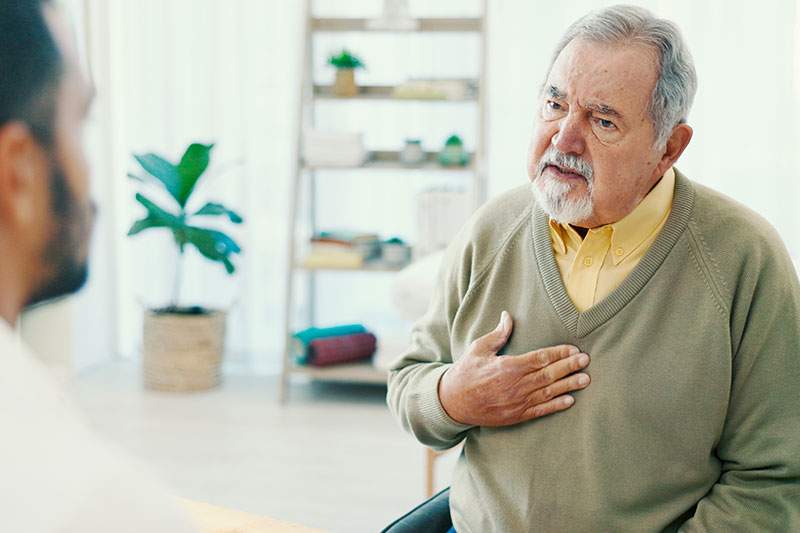
Heart disease describes a variety of conditions that affect your heart. The Mayo Clinic places heart disease under an umbrella of different types of heart or cardiovascular conditions, including blood vessel diseases, such as coronary artery disease; heart rhythm problems (arrhythmias); and heart defects one is born with (congenital heart defects), among others.
Early signs of heart disease depend on what type you have, and these diseases and symptoms may be different for men and women. For instance, men are more likely to have chest pain; women are more likely to have other symptoms along with chest discomfort, such as shortness of breath, nausea and extreme fatigue.
Heart disease is a serious condition, no matter how it presents itself. Knowing the risks and warning signs can help you keep an eye out for any problems. February is American Heart Month, which provides a reminder to focus on cardiovascular disease—the leading cause of death in the U.S.
Heart Health for Seniors
There are several symptoms that you, family members or senior care services staff may spot at home, signaling that it’s time to visit the doctor for a thorough exam to check if these are indeed signs of heart disease or something else.
For example, constant fatigue is one of the warning signs. Some illnesses, and even certain medications, can cause fatigue. However, if you are constantly fatigued or consistently have trouble sleeping, you could be experiencing an early sign of heart failure (a condition in which the heart fails to pump well) or coronary artery disease.
Caregivers should also be on the lookout for memory loss and feelings of disorientation. Changing levels of sodium and other substances in the blood can lead to confusion due to reduced blood flow to the brain.
Unexplained aches or pains are other potential symptoms. Discomfort in the center of the chest that can feel like uncomfortable pressure, squeezing, fullness or pain that comes and goes could be an early sign of heart disease. However, for many, the pain is not always felt in the chest. Sometimes it is felt in the shoulders, arms, back, jaw or abdomen.
Also take notice of shortness of breath. Certain respiratory problems may cause you to feel breathless. However, unexplained shortness of breath that occurs with small amounts of activity, such as walking up a flight of stairs, could indicate heart trouble. Most cases of shortness of breath are due to heart or lung conditions. Your heart and lungs are involved in transporting oxygen to your tissues and removing carbon dioxide, and problems with either of these processes affect your breathing.
You should visit your doctor if you experience any unexplained shortness of breath. Breathing difficulty that comes on suddenly is persistent or interferes with your daily activities should be evaluated by a medical professional.
Swollen feet or ankles can be another sign of cardiovascular problems. Edema, or swelling, occurs when fluid is trapped in your body’s tissues. It can result in the swelling of your lower legs, ankles, and feet and could be an early sign of a heart problem. The swelling could also be caused by kidney disease, liver failure, eating too much salty food, or a side effect of some drugs. If you or someone you know develops leg pain and swelling that won’t go away, see your doctor. Persistent leg pain and swelling can indicate a blood clot deep in your vein (deep vein thrombosis, or DVT).
And perhaps obvious when it comes to potential heart disease, don’t ignore irregular or rapid heart palpitations. For many, most heart palpitations are harmless. They may be caused by anxiety, hormonal changes, medication, excessive caffeine or dehydration. But sometimes palpitations indicate a heart problem. Heart palpitations, along with shortness of breath, dizziness, chest pain, and fainting, could mean a more serious heart condition in which you should see your doctor immediately.
How Caregivers Help
In addition to helping watch for these possible signs of heart disease, caregivers can also suggest ways to keep your heart healthy like eating healthier, low-sodium, low-fat meals with plenty of fiber, fresh fruits and vegetables—and help you achieve those goals by assisting with cooking, for example. Start by searching online for easy heart-healthy recipes for seniors and discussing which ones you might enjoy most.
Inactivity is also a big risk factor when it comes to heart disease. Caregivers can help seniors get more active, even if it means a daily stroll down the block using a cane or walker for assistance and possibly building up distance as their strength grows. Avoiding smoking is also key when it comes to heart health; caregivers can keep seniors on track with efforts to give up bad habits like smoking.
Knowing your family’s history can also play a role in preventing heart disease if it’s known that relatives have suffered from these conditions. A caregiver can help seniors talk to loved ones about their health history and take them to doctor’s appointments to discuss next steps. Assisting with periodic weight checks and providing medication reminders are other ways a caregiver can assist a senior with staying healthy.
Simple Changes for Lifelong Health
Caregivers not only can provide heart health tips for seniors but also help them stay on the right path with these healthy changes after—or even before—early signs of heart disease. That’s in addition to assisting with daily tasks like bathing, dressing, cleaning, cooking and transportation to appointments.
For more information about ways that in-home caregiver services can be tailored to meet your needs, contact FirstLight Home Care today!

