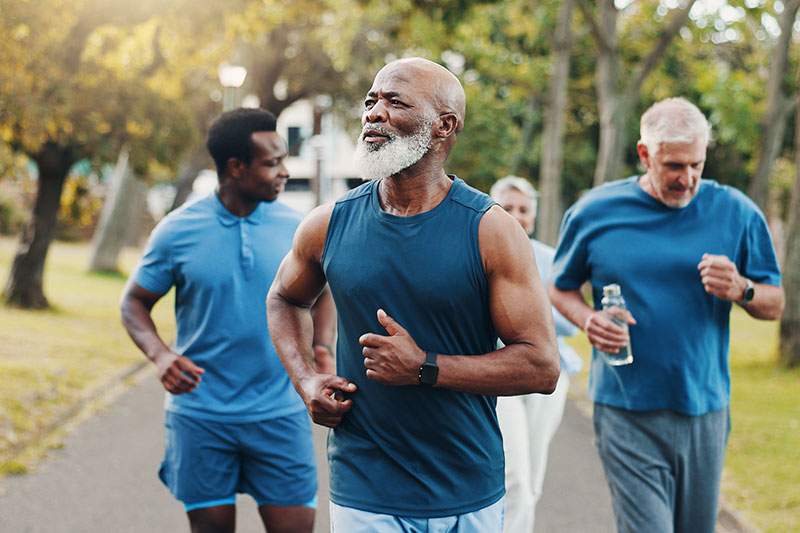
Eat right and exercise. We’ve heard this message all our lives, and the older we get the more important it becomes. Countless studies have proven that regular movement and eating well are key to what experts call “active aging,” which is optimizing one’s health, security and participation in society so that older age can be a positive experience.
At FirstLight, we understand that underpinning this concept are the three pillars of nutrition, movement and support. Incorporating these within a professionally tailored care plan can not only help older adults live longer but also achieve a higher quality of life.
Physical Activity and Aging
Maintaining an active lifestyle is crucial for sustaining health and happiness. Regular movement helps promote good heart health for seniors, along with other benefits including:
- Lower blood pressure
- Better core strength and balance
- Increased mobility
- Weight maintenance
- Increased flexibility
Exercise also decreases the chances of developing certain conditions such as diabetes and mobility issues. Conversely, seniors who avoid daily exercise might experience:
- Loss of muscle mass
- Decline in strength
- Increase in body fat
- Decline in bone density
- Loss of agility and balance
Senior Health and Fitness Tips
Adding an exercise regime to your daily routine does not have to mean hours in the gym. You can often accomplish great things with just 30 minutes of activity per day! Some examples of appropriate exercise for seniors include:
- Gardening
- A walk or stroll
- Gentle yoga or Pilates
- Swimming
- Cycling
- Housework
A great way to incorporate exercise in later years is to enjoy it with friends. Having a regular arrangement is a great motivator and helps maintain social connections. Just make sure to consult your doctor or medical professional before starting any new fitness regimes, and if you’re heading outside, don’t forget the SPF.
Nutrition Tips for Seniors
Smart food choices are part of healthy aging. Older people need fewer calories but the same amount of vitamins and minerals, so eating the right foods, while being mindful of portion sizes, is vital. As we age, our bodies can become less tolerant of certain foods. Along with this, our teeth and gums can change, making it difficult to chew certain fruits, vegetables or meats. Some ways to ensure a good diet in older age include:
- Drink plenty of liquids. With age, you may lose some of your sense of thirst. However, dehydration can cause tiredness, fatigue, dizziness and digestive issues, all of which may lead to other complications. Stay hydrated by drinking little and often and limit beverages with added sugars.
- Eat your veggies. Include a variety of different colored vegetables at mealtime. Most are a low-calorie source of nutrients and a good source of fiber. If your tastes have changed or medicines influence how foods taste, try flavoring them up with herbs and spices or incorporate them into sauces, stews and soups.
- Avoid fast foods. Ready meals and pre-packaged foods can be high in additives like sugar, salt and flavor enhancers that fill you up without providing adequate nutrition. If you or your aging loved one is challenged with planning, preparing and consuming a healthy diet, we can help by providing in-home support with meal planning and preparation, eating assistance, and grocery shopping.
- Social eating. Eating alone can be depressing and can lead to a poor nutritional diet. On the other hand, interaction with others can greatly contribute to a more positive mood and outlook. So why not invite family, friends or neighbors to join you?
Good nutrition not only helps your body to feel at its best, but it also boosts your mood, cognitive ability and sleep quality – all factors that are part of active aging. For more information on eating well in later years, check out this article from the National Council on Aging.
How Can We Support an Older Person’s Emotional Wellbeing?
Exercise and good nutrition are key to feeling physically healthy, but active aging also considers our mental and emotional needs. At FirstLight, we offer the support your loved one needs to continue living life to the fullest, whether that’s the peace of mind that comes from feeling safe at home or enjoying the company of a regular visitor.
We also offer transport services, to help your loved one get to appointments, exercise classes, family gatherings or social events. Because we know how important it is for an older person to feel part of a community, stay in touch with friends and keep their mind engaged.
Live Life to the Full With Senior Care Services From FirstLight
What are you or your aging parents doing to stay fit, eat right and participate in society? At FirstLight, we understand that enjoying the Golden Years isn’t just about one single solution – it’s ensuring that we have the right support in place to care for our physical, mental and emotional wellbeing.
If you or a loved one wants to know more about active aging, or you’d like help in maintaining quality of life for your or a loved one, talk to FirstLight Home Care about our personal care options today.
 Home Care Services
 Home Care Jobs