TL;DR: Your Guide to Dementia Respite Care in Boston
- What It Is: Respite care provides short-term relief for primary caregivers. It can range from a few hours a week to overnight or weekend support, allowing you to rest and recharge.
- Why It’s Crucial: It’s a powerful tool to prevent caregiver burnout, a state of emotional, mental, and physical exhaustion. A rested caregiver is a more patient, effective, and loving caregiver.
- Boston-Area Options: The most flexible option is professional in-home respite care, where a dementia-trained caregiver comes to your home. Other resources include local Adult Day Health programs and support groups.
- Overcoming Guilt: It’s normal to feel guilty. Reframe the break as a necessity for providing better care. Use your time to do something truly restorative for yourself, and remember that quality care for your loved one continues in your absence.
Being a caregiver for a loved one with dementia is an act of profound love and dedication. You navigate changing routines, manage complex emotions, and provide constant support, day in and day out. But the journey, especially in the bustling Boston area, can be isolating and exhausting. You give so much of yourself that it’s easy to forget that your own well-being is not a luxury—it’s a necessity. If you’re feeling overwhelmed, stretched thin, and longing for just a moment to breathe, you are not alone. Finding quality respite care is one of the most important steps you can take, not just for yourself, but for the person you love.
This guide is designed for Boston-area families like yours. We will walk you through what dementia respite care truly is, why it’s an essential part of a healthy care plan, what your options are right here in our community, and how to navigate the common (and completely normal) feeling of guilt that comes with taking a much-needed break.
What is Respite Care and Why is it Essential?
At its core, respite care is a support system. It’s a planned break for the family caregiver, a short-term relief system designed to prevent the exhaustion and burnout that can accompany the 24/7 demands of dementia care. Think of it not as a \”day off\” from your responsibilities, but as a strategic and necessary component of your loved one’s overall care plan.
\”I feel like I’m running on empty, but I feel too guilty to stop. I don’t know who I am outside of being a caregiver anymore.\”
The rates of caregiver burnout are alarmingly high. The constant stress, physical demands, and emotional weight of caregiving can lead to serious health issues for the caregiver, including depression, anxiety, a weakened immune system, and chronic fatigue. This is a dangerous path. When you are depleted, your ability to provide the patient, compassionate care your loved one deserves is compromised. That’s why we must reframe the conversation around respite care.
Respite care is not selfish. It is essential. It is the tool that allows you to sustain your ability to care for your loved one in the long term. By taking time to tend to your own needs—whether it’s attending a doctor’s appointment, having lunch with a friend, or simply taking a nap—you are ensuring you can return to your role renewed, refreshed, and better equipped to handle the challenges and joys of caregiving.
In-Home Respite Care Options in the Boston Area
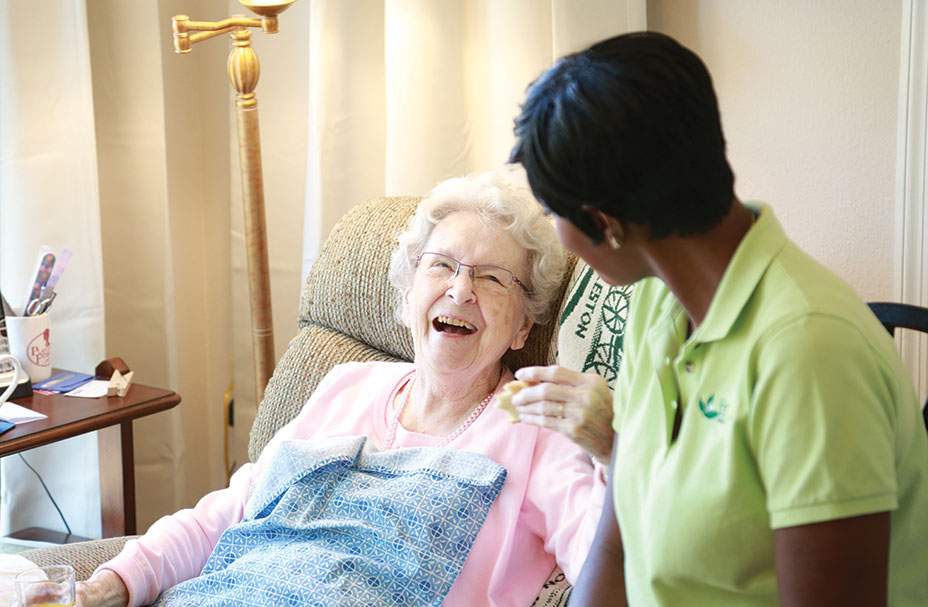
For many families, the idea of bringing a loved one to an unfamiliar place can add more stress than it relieves. This is where professional in-home respite care becomes a powerful and practical solution. It allows your loved one to remain in the comfort and familiarity of their own home while you take a well-deserved break.
At FirstLight Home Care of Boston Northwest, we provide flexible dementia respite care in Boston and surrounding communities, tailored to your family’s unique situation.
- Hiring an agency for a few hours a week: This is the most common form of respite. A professional caregiver can come to your home for a set number of hours one or more days a week. This gives you a predictable block of time to run errands, attend appointments, or simply have some quiet time to yourself. With our policy of no weekly minimums, you have the flexibility to schedule care only when you need it.
- Arranging for overnight or weekend care: Sometimes, a few hours isn’t enough. You may need to travel for work, attend a family event, or simply need a full weekend to truly disconnect and recharge. Overnight or 24-hour respite care ensures your loved one is safe, comfortable, and cared for around the clock, giving you complete peace of mind.
The most significant advantage of using a professional agency is access to caregivers with specialized training. Caring for someone with dementia is not the same as general senior care. Our dementia-trained professionals understand how to create a calm and supportive environment, engage in appropriate activities, and compassionately manage challenging behaviors like confusion or agitation. This expertise ensures your loved one receives not just supervision, but high-quality, person-centered care while you are away.
Navigating Caregiver Guilt: It’s Okay to Take a Break
For many dementia caregivers in Boston, the biggest barrier to taking a break isn’t logistics—it’s guilt. You might feel like you’re abandoning your duty, that no one else can care for your loved one as well as you can, or that you should be able to handle it all on your own.
First, please know this: feeling guilty is normal. It stems from a place of deep love and responsibility. But it’s crucial to challenge that feeling with a simple truth: A better you is a better caregiver. When you are exhausted and overwhelmed, your patience wears thin. You become more reactive and less proactive. By taking a break, you are investing in your own resilience, which directly benefits the person you care for.
Here are a few tips to help you manage the guilt and make the most of your respite time:
- Reframe the narrative: Instead of saying, \”I need a break,\” try telling yourself, \”I am recharging so I can be the best possible caregiver for my mom/dad/spouse.\”
- Plan your time intentionally: Don’t let your precious respite hours get filled with chores and errands. While sometimes necessary, make a point to schedule something that is purely for you. Go for a walk in the Arnold Arboretum, meet a friend for coffee in Cambridge, visit a museum, or just sit in a quiet park with a book.
- Start small: If a full day feels like too much, start with just two or three hours. Build up your comfort level and see firsthand that your loved one is safe and well-cared for in your absence.
- Trust the professionals: Remind yourself that you have hired trained, vetted professionals who specialize in dementia care. They are equipped with the skills and compassion to provide excellent care.
Remember to watch for the signs of burnout. Taking action before you reach a crisis point is a sign of strength, not weakness.
5 Signs You Need a Caregiver Break
Are you approaching burnout? If these signs feel familiar, it’s time to seek respite.
- Constant Fatigue: You feel mentally and physically exhausted, even after sleeping.
- Increased Irritability: You find yourself feeling anxious, short-tempered, or resentful more often.
- Neglecting Your Own Health: You’re skipping your own doctor’s appointments, eating poorly, or not exercising.
- Withdrawing Socially: You’ve stopped participating in hobbies and have pulled away from friends and family.
- Losing Patience: You feel your compassion wearing thin and react with less patience toward your loved one.
Other Local Boston Resources for Caregiver Support
In-home care is a vital piece of the puzzle, but it’s not the only one. Building a network of support is key to long-term success. Here are some other excellent Boston-area resources that can provide different forms of respite and community:
- The Alzheimer’s Association, Massachusetts/New Hampshire Chapter: This is an indispensable resource. They offer a wealth of information, educational programs, and a 24/7 helpline. Crucially, they facilitate support groups for dementia caregivers in Boston and surrounding towns, connecting you with others who truly understand what you’re going through. Sharing your experiences in a safe, confidential setting is a powerful form of emotional respite.
- Adult Day Health Programs: These programs offer a safe, structured environment for individuals with dementia during daytime hours. They provide meals, social activities, and varying levels of health services. This can be an excellent option for caregivers who work or need a consistent, daily block of time for themselves.
- Area Agency on Aging (AAA): For Boston residents, Ethos serves as the local AAA. They are a fantastic source of information and referrals for a wide range of senior services, including caregiver support programs, benefits counseling, and options for long-term care.
You Deserve Support on This Journey
Caring for a loved one with dementia is a marathon, not a sprint. To have the stamina for the journey ahead, you must build moments of rest and recovery into your routine. Respite care is not an admission of failure; it is an act of love for both your loved one and yourself. It ensures that the care you provide is sustainable, patient, and filled with the compassion your family deserves.
You don’t have to do this alone. Help is available right here in the Boston area, from flexible in-home caregivers to community support groups. Taking that first step to ask for help is the strongest thing you can do.
Ready to Find Relief?
If you are exploring dementia respite care in Boston, our team at FirstLight Home Care of Boston Northwest is here to listen. We can help you create a personalized, flexible care plan that fits your family’s needs and gives you the peace of mind you deserve.

