Family vacations are meant to be fun for everyone involved, but for family caregivers, we know caring for a loved one in unfamiliar circumstances can make it hard to fully unwind.
If you’re a family caregiver, there’s some good news: With a little preparation, you can ensure everyone—including yourself—has a good time on your next family vacation. Proper planning can turn disasters into annoyances, and annoyances into speed bumps. Everything you can handle ahead of time is something you won’t have to worry about once you arrive, and with everything already done, you can kick back and enjoy yourself.
After years of helping seniors and family caregivers relax on vacations, here are our favorite senior travel safety tips.
Pick the Right Spot
When you’re traveling with a senior, the right place to stay is the foundation of an enjoyable trip. Here are some of the top things to look for in your vacation lodgings:
Accessibility
Take your time researching the property and make sure it accommodates your loved one’s physical needs. For example, if they use a walker or a wheelchair, make sure there are ramps, elevators and other accessibility features.
Ask questions about other things that might also impact them. For example, one senior we know found that the bed in their vacation rental was too high for them to get into. They ended up having to borrow a step riser from the gym downstairs—not a great way to start a getaway.
If your destination has an elevator, ask whether it’s functioning properly. We’ve personally seen many families disappointed to learn on arrival that the elevator in their vacation home doesn’t actually work. Rental property managers are now legally required to inspect elevators in North Carolina, but other states and countries may not have the same rules.
Private Space
Many seniors benefit from having a place they can retreat to if they feel tired or overwhelmed, so it can help to make sure your lodgings include a private room of some kind.
Keep your loved one’s needs in mind when considering their private room. How easy does it need to be for them to reach it? How far do they need to be from noise and light? How long does it take them to recharge?
Familiarity
When picking a vacation spot, it’s helpful to look for amenities that will allow your loved one to replicate as much of their regular home routine as possible. For example, if they start their day with a cup of tea, bring along their preferred brew.
If you take regular vacations together, consider going to the same place every time. Not only does this create a sense of familiarity and routine, it’s also a great way to start a lasting family tradition. Over several visits, you could gradually get to know the locals together, share stories of past trips and discuss what you’re looking forward to next time.
A View
It’s best to get a spot with a nice view if possible. Your loved one might not be able to go out adventuring themselves, but watching their children and grandchildren enjoy the summer from a sunny veranda can be the next best thing.
Cell Phone Reception
Reliable cell phone service can make all the difference in an emergency. Do your research in advance to make sure your provider has good reception where you’re going. If not, a solid wi-fi connection may do in a pinch.
Access to Emergency Services
Make sure you know where to go in case of an emergency, whether it’s an urgent care center or an ER.
Know Their Medical Needs
Packing a few medical documents can keep everything you need to know at hand in case of emergency. We recommend bringing info on:
- Their medication list, and when/how to administer them
- Their diagnoses and how they impact their daily life
- Any dietary restrictions or needs they might have, including those related to their medications
- Who their doctors are, how to get in touch, and whether they offer telehealth visits
- Their emergency plans and contacts
- Their health insurance information, and what’s covered
If you’re heading out of the country or on a cruise, make sure to look into what their insurance offers abroad. Depending on where you’re going and the services available there, it may be worth purchasing additional travel health insurance.
Build a Solid Travel Plan
Once you’ve found the perfect vacation spot, it’s time to make sure your other plans are doable. Travel companies may be able to provide extra accommodations with advance notice, so don’t be shy about calling ahead. Even if they don’t have an official policy, it never hurts to ask!
Get Accessible Transit
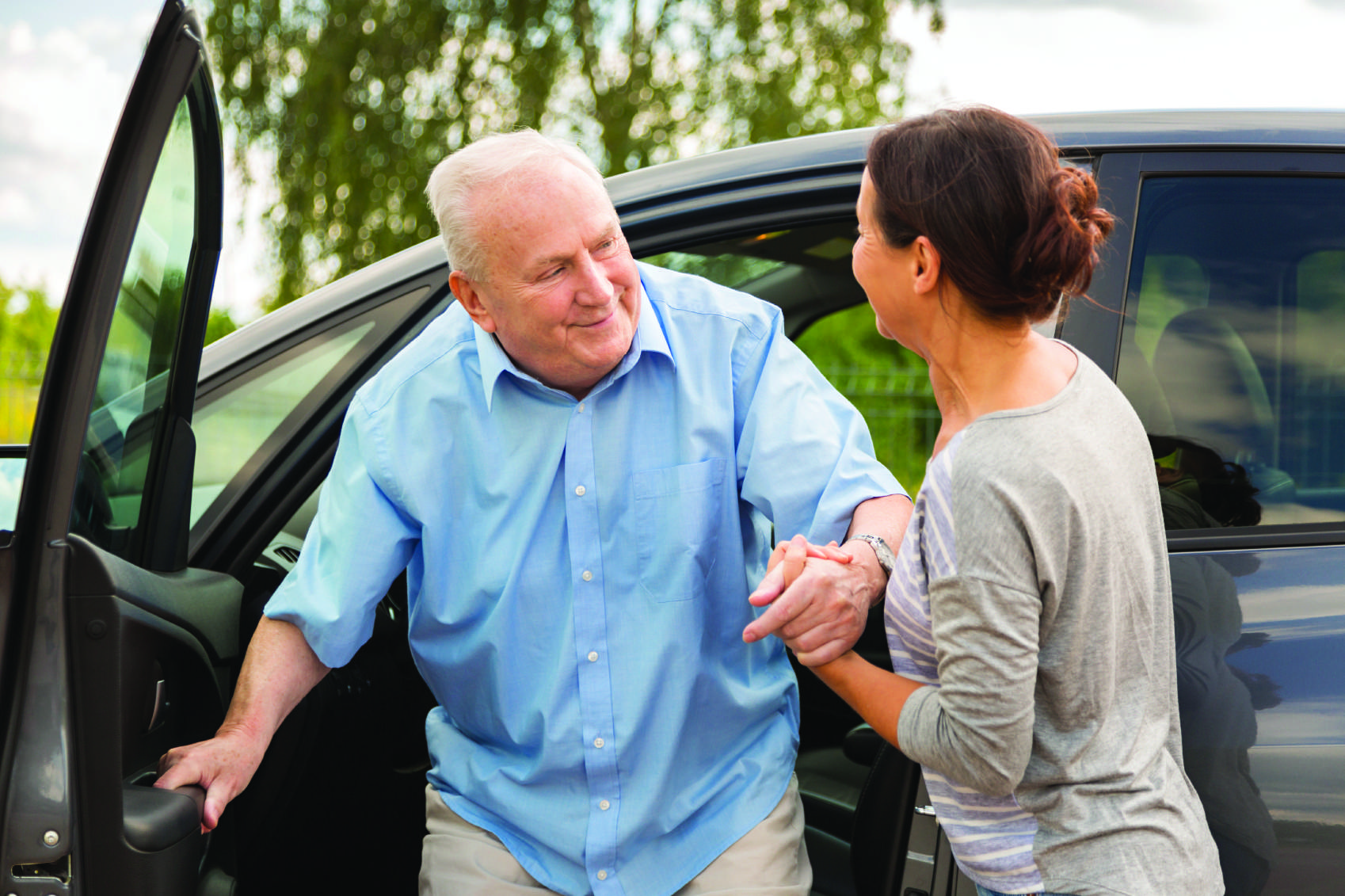
Get a vehicle that’s neither too low nor too high to get into and has plenty of space for mobility aids. The same goes for any other form of transit you arrange, whether it’s a tour bus, a gondola or a trolley.
Arrange Assistance for Activities
When you’re arranging an activity, the facility may have specialty accessibility equipment available if you ask. For example, seaside resorts often have beach wheelchairs you can borrow or rent.
Give Them an Out
Many seniors need to rest after too much time on their feet or talking with a large family group. Make sure to arrange the schedule so there’s always a way for your loved one to sit down or opt out if they get tired.
One easy way to help with this is to just keep a loose itinerary, with lots of breathing room between scheduled activities, with stops back where you’re staying so they can decompress if needed.
Pack Right
When it’s time to pack, there are a few things to bring that could make your loved one’s trip more comfortable.
For a more detailed packing checklist, check out these summer travel tips for seniors.
Dress for the Weather
Seniors are often sensitive to changes in temperature, so make sure to pack clothing for whatever weather you’re likely to find.
No matter where you’re headed, make sure to pack your loved one a light sweater, and maybe a small blanket too. Airplanes tend to be chilly, and in hot climates, buildings tend to crank the AC.
Bring Snacks and Water
Older adults often have specific meal schedules, so make sure they will have food available when they expect it. Keep some of their favorite snacks on hand in case they get hungry.
Bring a water bottle as well. Seniors are prone to dehydration, especially when it’s hot, so it’s crucial to help them stay hydrated. Flavor packets can help, especially if the local water tastes different than what they’re used to.
Digestive Aids
Eating foods outside their regular diet may give your loved one gastrointestinal issues. If they take a digestive aid/antacid, use incontinence briefs or need anything else to help with food outside their regular diet, make sure to pack it—and bring the brands they prefer. If they like Tums, pack Tums—not Rolaids.
Get Help at the Airport
The flight to your destination is not the time for your loved one to prove what they’re capable of; it’s the time to conserve energy for the exciting vacation ahead. Walking across a major airport terminal is a feat for someone of any age, let alone a senior—and it’s not worth the effort. Talk to them ahead of time about taking advantage of the in-terminal transportation to get to your gate. That way, they’ll have the energy for what really matters: Enjoying their time with family.
Do a Final Walkthrough
Once you arrive at your destination, do a quick walkthrough:
- Make sure all accommodations you’ve requested are present and functional.
- Do a fall risk assessment. Move tripping hazards like throw rugs and cords out of the way, plug in some nightlights you’ve packed, and make sure there’s a chair your loved one can sit in while they change.
- Set up their space so they can continue their normal routine as easily as possible.
Enjoy Yourself
Now comes the fun part: It’s time to kick back, relax, and enjoy your vacation. Everyone deserves a break, and family caregivers more than most. Make sure to give yourself time to rest and take lots of pictures!
Also, remember that not everything will go completely right, and that’s okay. Be kind to yourself, utilize the preparations you’ve made and know that the vacation is more enjoyable for everyone because of your hard work.
Get Support
Have more questions about planning ahead for vacation? You don’t have to do it alone.
You have experts to lean on, like our Family Care Navigator, Elizabeth Willis, who provided most of the information in this blog.
Although born in Chicago, Elizabeth grew up in Charlotte and considers herself a native of our Queen City. She is a graduate of UNC Charlotte with a bachelor’s degree in public health and a master’s degree in gerontology. She also worked as an activities director at an assisted living community in south Charlotte and later became a licensed senior real estate specialist, as well as an adjunct professor at UNCC.
Whether you need direct help or you’re just looking for advice, please contact us. A professional caregiver from FirstLight Home Care of Greater Charlotte can make preparations far easier. They can help you plan, pack and meet your loved one’s needs.

