My great-grandfather was a feisty Italian who lived in Malden. We called him “Grandpa Boston” because he was the only person in my family who didn’t hail from the small island in Maine where I grew up.
I was a teenager when he died (Nana Boston passed years before), and there are three things I remember most about him: He drove his Lincoln Mach V 60 mph in the breakdown lane during rush hour, he had great stories about his career as an architect in Boston (back when almost every project had historical significance), and he stockpiled Meals on Wheels deliveries in his freezer because he was afraid he’d one day run out of food.
The Meals on Wheels memory (which didn’t start until his last year of life) stuck with me because it seemed so inexplicable: Why would a man who’d built up a pretty healthy bank account be suddenly worried he’d run out of food? What was the point of a fresh, hot Meals on Wheels delivery if he was just going to freeze it? Why was he wasting away today to save food for tomorrow?
Now that we work with seniors every day, I know Grandpa Boston’s going hungry despite having ample food is an all-too-common part of aging. Eating patterns and nutrition top the list of concerns we hear from families caring for aging loved ones. “Mom no longer likes her favorite meals.” “I leave meals for Dad but find them uneaten in the fridge days later.” “Gram forgets to eat.” It’s an area families worry most about and causes the most frustration.
If you’re dealing with a similar issue in your family, you know it’s not something your loved one is doing on purpose—even though it sometimes can feel like it. It may be caused by an irrational but real-seeming worry like Grandpa Boston’s, it may be forgetfulness, it may be because tastes have changed, or it may be due to something medical (e.g., problems with chewing, swallowing, or constipation.)
When you’re with your loved one, look for clues and possible solutions. Does your mom eat smaller foods/snacks even though she passes up bigger meals? Does your dad eat a full meal at family events but lose his appetite when he’s alone? What’s in the fridge? Are you seeing the same foods (or Meals on Wheels) week after week? Have the expiration dates passed by?
If their tastes have changed, you might try altering recipes, making the presentation more appealing, or incorporating pureed fruits and vegetables into foods they will eat. Ask Mom about her favorite meals from childhood and then make eating a walk down Memory Lane. Address any medical issues—maybe Dad’s teeth are bothering him, he can’t see as well, or a new medication is negatively affecting his appetite. If your loved one refuses (or forgets) to eat big meals, try leaving smaller snacks like dried fruit and nuts in common areas throughout the house so she can pick throughout the day.
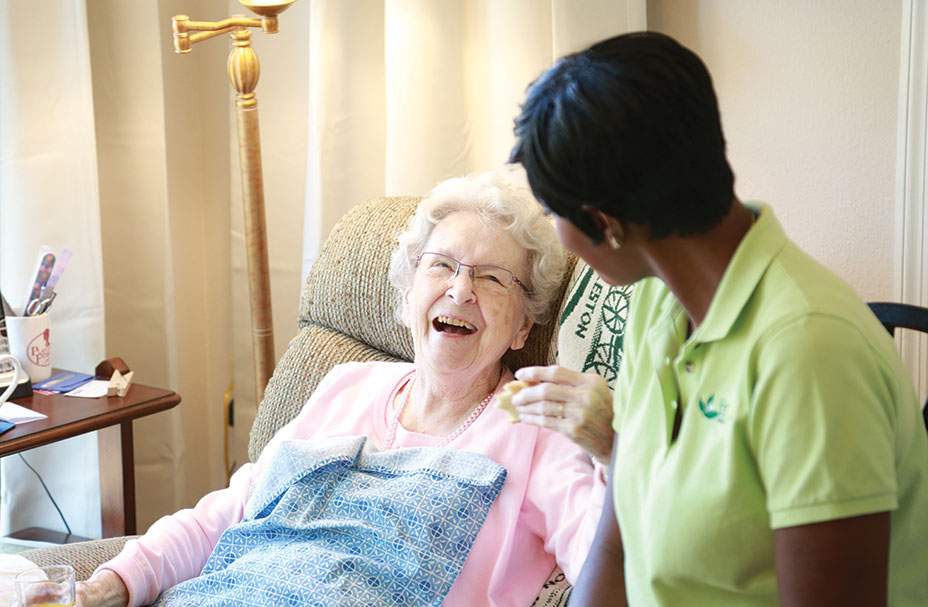
Meals on Wheels and other food delivery services are a great way to get your loved ones healthy, warm meals, but they don’t come with companionship. If your aging family member lives alone, she may just need company during meals—someone who will take her mind off the lonely, mundane act of mealtime. If you can, work out a rotating schedule among family and friends to join your mom for lunch or dinner as often as possible, or have an outside caregiver come in just for the meal.
We didn’t discover my great-grandfather’s Meals on Wheels stockpile until one of our last visits with him, so I wonder now what would have happened if we’d asked about them earlier. Would he have begun eating his daily meal delivery with his usual Italian gusto? Probably not. (It’s pretty difficult to talk a person who doesn’t want to eat into eating.) But sometimes just asking, “Why?” provides the answers and insight we need to help make a situation better.
Originally published in The Swampscott Reporter
 Home Care Services
 Home Care Jobs