When your streets look like this, it’s easy to feel isolated.
I grew up on an island, five hours up the coast of Maine. It’s not as remote as you might think. There’s a bridge to the mainland, decent dental care, and spotty Internet service. There are also some incredible seasonal restaurants and a world-famous art school, and the colors of nature are more vivid there than just about any place on Earth.
Many a “summer person” has visited our island, been seduced by its charm, and ended up buying a home there. Inevitably, especially if they’re in their golden years, they toy with the idea of moving there full-time. I remember telling one summer neighbor, “Don’t sell your city home until you spend a winter here.”
Winter on the island is tough. The population shrinks, roads are sometimes impassable, the power goes out, local stores and restaurants close, and residents must travel miles for basic services. People have to work really hard to be social, organizing weekly game nights and potluck suppers, and it can be extremely isolating if you’re the type of person who waits for fun to happen to you.
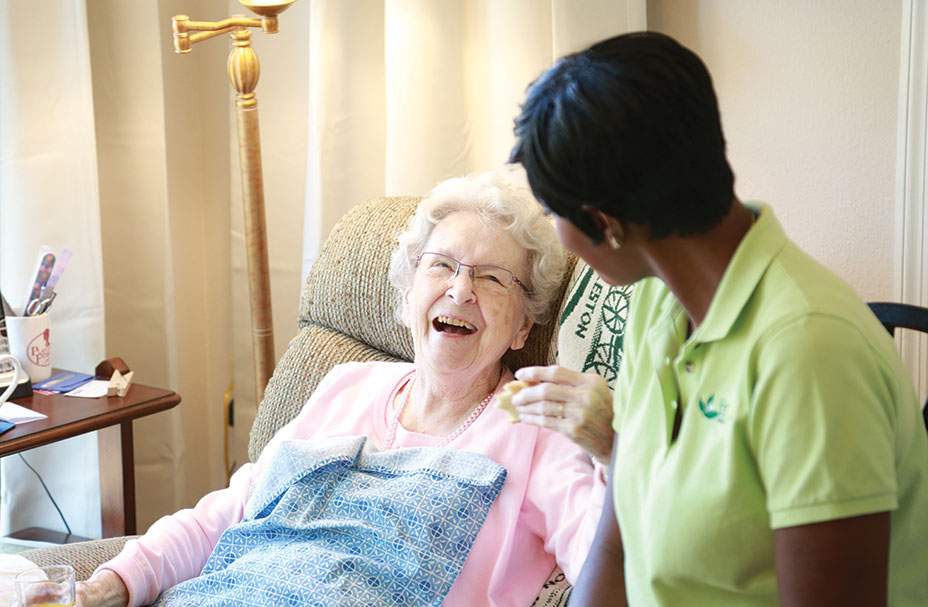
Winter for seniors, even here in Massachusetts, reminds me of my winters in Maine. Snow and ice prevent them from getting to the store or the doctor; they aren’t able to do many of their favorite activities, like golf and gardening; their friends move south; and they battle cold and flu season. It’s not surprising that we see our loved ones becoming depressed and deteriorating in the winter months. (There’s even a statistic that says January is the most common month in which people die.)
Like the residents of my hometown, our aging loved ones have to work very hard to stay active and social in the winter. It’s easy for us to forget this as we’re shoveling out our own driveways or dodging the pre-storm crowds at Market Basket, but our help is more needed now than any other time of year.
It’s not enough just to call once in a while and check in. Many people who really need help won’t ask for it—or they don’t realize they need it. Don’t offer your help; just give it. Go over the night before trash day to put out barrels. Designate a day of the week for grocery shopping. Get the schedule for doctor appointments and insist on driving. Go to lunch once a week.
There are tomes of research showing a connection between isolation and illness. Conditions like heart disease, diabetes, Alzheimer’s, and cancer can all be exacerbated by loneliness, so it’s no wonder we see our aging loved ones start to fail in January and February. Whatever we can do now to make these long, cold months a little brighter for our aging loved ones and neighbors will undoubtedly make them healthier when that first crocus pops up in March. And we should consider ourselves lucky: In Maine, my relatives sometimes don’t see crocuses until May.
Originally published in The Swampscott Reporter
Molly Rowe owns FirstLight Home Care with her husband, Steve, and lives in Swampscott with their two sons. FirstLight provides non-medical in-home care to adults in Swampscott, Marblehead, Lynn, Salem, Peabody, Danvers, Beverly, and Lynnfield. For more information and help caring for your loved ones in the comfort of their own homes, please visit FirstLight’s website at www.salem.firstlighthomecare.com or contact Molly at 781-691-5755/[email protected]
 Home Care Services
 Home Care Jobs