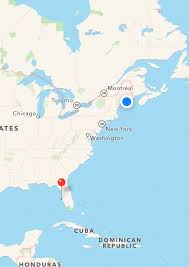
When you have a sick or aging loved one, living just five miles away can feel like “long distance,” so what do you do if hundreds of miles separate you?
After my husband’s dad moved to Florida in the last years of his life, we learned the challenges of a long-distance relationship. We’d call and get no answer for days in a row (usually because his phone had died), he’d fall and we’d hear about it later, and because we didn’t see him on a day-to-day basis, it seemed like there was significant decline at every visit. We were lucky because Steve’s sister lived just down the street from Dad, but we didn’t always want to bug her with every paranoid fear that comes with living 1,000 miles away, and we felt incredibly guilty not being there to help.
Long distance caregiving can take a pretty big toll on you emotionally but also professionally and financially if you’re forced to take time off to care for your loved one. Here are some ways to make the distance a little easier for both of you to bear:
- Develop a network.If you can’t be there in minutes, establish a network of people who can be. When my father-in-law lived in Swampscott, he registered for a free service through the Nahant police department that would place an automated call to him every morning at the same time. If he didn’t answer after two calls, they’d notify us. (The Nahant police department still offers this—you just have to contact the Swampscott PD.) Neighbors, friends, and clergy members also may all be willing to look in Mom once in awhile or share a meal with her. Encourage your mom to give a key to a few trusted people who could check on her if necessary.
- Gather all important documents, including legal, personal, medical, financial, and insurance documents. Legal might include powers of attorney, medical proxy, wills, and trusts. Personal would involve a social security card, driver’s license, marriage license, military discharge documents, and birth certificates. Before a crisis occurs, get a copy of all bank account numbers, prior tax filings, credit cards, sources of income (including Medicare and pensions where applicable), all assets and debits, and monthly bills. Medical information you should know includes insurance, doctor information, all medications, and the phone number and address for a local pharmacy. For insurance, don’t forget medical, homeowners, car, and life insurance policies. Having all this on hand where you are can alleviate a lot of problems if something happens where they are.
- Make your time together count. A visit to Dad is a great time to observe how he’s doing. Ask him to drive next time you go to the grocery store. Does he get easily confused? Are his reflexes good enough to be driving? See if you can accompany him to appointments with the dentist, eye doctor, family doctor and any specialists he’s seeing while you are in town so you’ll learn more about what’s going on.
- Check out the house. On your next visit, make sure Dad’s house is set up to be safe. Does he have any loose carpeting or handrails that could cause a fall? Are there light bulbs that need to be replaced or smoke detector batteries that are inactive? Install grab bars outside the shower, a higher toilet seat if necessary, and buy a shower seat and handheld nozzle for the shower. You can also with the local fire department to install an emergency lock-box.
- Use technology. If my mom can learn to use an ipad, so can yours. Tablets have changed the way we communicate with our loved ones of all ages. With a little help, your long-distance loved ones can learn to Face Time so you can see firsthand how they’re doing. You might also consider a medical alert monitoring system. Some options include automatic fall detection (so the wearer doesn’t have to push a button if they fall) and GPS locator service. Have your loved one list you as the contact person for these devices, so you’ll be notified if something happens.
Molly Rowe owns FirstLight Home Care with her husband, Steve Rowe, and lives in Swampscott with their two sons. FirstLight provides non-medical in-home care to adults in Swampscott, Marblehead, Nahant, Lynn, Salem, Peabody, Danvers, Beverly, and Lynnfield. For more information and help caring for your loved ones in the comfort of their own homes, please visit FirstLight’s website at www.salem.firstlighthomecare.com or contact Molly at 781-691-5755/[email protected]

