
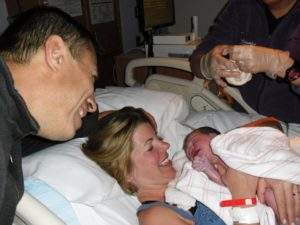
Much has been written about the effect of touch on newborn babies. We sometimes forget it can work wonders on adults, too.
A friend recently told me about a conversation she had with a man at a local bar. He was telling her the story of caregiving for his wife. After describing almost a decade of medical appointments, health disappointments, and moments of family strife, he said to my friend, “Do you know the hardest part of all those years? Not being touched.”
Touch and human contact isn’t something most of us talk about openly. Many of us grew up in families where hugs were frowned upon, and a stranger at a bar talking about his need for touch makes us cringe at our Puritan roots. But this man wasn’t trying to pick up my friend; he was trying to educate her about caregiving.
He went from having a loving, intimate, physical relationship with his wife to being her home health aide, and over time, the lack of physical contact in his life affected his mental condition much more than caring for his sick spouse did. He wasn’t eating well or sleeping and had a lingering feeling of loneliness and depression.
Touch is a basic need, like food, water, and sleep, but it’s the only need we feel embarrassed to ask for. It’s the only need where asking for it makes us look weak or needy. I’m not talking about sexual need—that’s different. The need I’m talking about is the need for warmth and security and energy passed between two people—the same skin-to-skin contact that studies say helps newborn babies thrive.
I recently saw a clip about a woman with advanced Alzheimer’s who had been in a facility, separate from her husband, for several years. She was starting to fail and her husband asked if he could get in bed with her to hold her before she died. Every day, he spent an hour or two there, just holding her. After just a few days, she started getting better physically. Her memory didn’t magically come back but her physical health did.
The human need for touch is why I’m touchy with most of our clients and why we encourage our caregivers to be. Most people won’t ask you to touch them, but it’s amazing how a person’s response to you can go from stiff and uncomfortable to warm and friendly with just the touch of a hand.
I worked with one client recently who is very independent and doesn’t like to be doted on. I assumed she didn’t care for touch. But one day, she was sick in bed with a cold and I started rubbing her head. Her eyes teared up and she said, “Thank you” in a way that I knew was thanks for more than just making her stuffed head feel better. This was probably the first touch she’d had in months.
Yes, there are people who don’t like touch and it’s important to tune into that, but you may be surprised by the people who need it. Make touch a part of your relationship with your sick and aging loved ones, and if you’re caring for a loved one (or you’re someone who’s lost a spouse through illness or divorce), find a way to get touch in your life. Hug your friends, get a weekly massage (that’s what the man in the bar ended up doing), find human contact.
The majority of us needs touch in our loves. Whether you’re a caregiver as the man in the bar was or you’re a care recipient, finding a way to get touch into your day may be as important to your health as food and water.
Molly Rowe owns FirstLight Home Care with her husband, Steve Rowe, and lives in Swampscott with their two sons. FirstLight provides non-medical in-home care to adults in Swampscott, Marblehead, Nahant, Lynn, Salem, Peabody, Danvers, Beverly, and Lynnfield. For more information and help caring for your loved ones in the comfort of their own homes, please visit FirstLight’s website at www.salem.firstlighthomecare.com or contact Molly at 781-691-5755/[email protected]
 Home Care Services
 Home Care Jobs